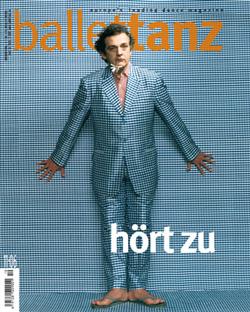
Worauf hört der Tanz?

Das 20. Jahrhundert beherrschten Streit und Krieg. Die Anlässe waren oft absurd. Ist Musik das Wesentliche der Oper oder nur Zierrat? Müssen nicht vielmehr Wort und Sinn dominieren? Und der Jazz? Galt lange Zeit als Gebrauchsmusik, die nur der Untermalung oder Begleitung von Tänzern diene. Das war 1942. Der Intendant Clemens Krauss («Prima le parole – dopo la musica!») und der Komponist Richard Strauss («Prima la musica – dopo le parole!») schrieben ihren Kampf als «Konversationsstück für Musik» auf. «Capriccio» hieß es, in dem nur der Tanz ungeschoren davon kam.
Hier ein kurzer Dialog zwischen dem Komponisten Flamand und dem Grafen, der das Wort verteidigt. Soeben ist die Tänzerin, die alle angafften, unter großem Applaus von der Bühne abgegangen:
«DER GRAF: ‹Auch hier, lieber Freund Flamand, müssen Sie gestehen, ist Ihre Kunst nicht die Herrscherin, sondern nur eine – allerdings köstliche – Beigabe.›
FLAMAND: ‹Ein bezaubernder Irrtum! Ohne Musik würde es niemand sich einfallen lassen, auch nur ein Bein zu heben. Musik ist eine erhabene Kunst! Nur unwillig dient sie dem Trug des Theaters.›»
Schon haben sie sich in den Haaren: Tanz ist Trug? Musik ist Trug! Und die Handlung: ...
Weiterlesen mit dem digitalen Monats-Abo
Sie sind bereits Abonnent von tanz? Loggen Sie sich hier ein

- Alle tanz-Artikel online lesen
- Zugang zum ePaper
- Lesegenuss auf allen Endgeräten
- Zugang zum Onlinearchiv von tanz
Sie können alle Vorteile des Abos
sofort nutzen
Salia Sanou, Sie leben zusammen mit Seydou Boro schon lang als Choreograf und Tänzer in Europa. Nun arbeiten Sie erstmals mit Ars Nova, einem Ensemble für moderne europäische Musik. Ist das nicht ein Kulturschock für den afrikanischen Tanz? Unsere afrikanisch geschulten Ohren sind diese Art von Musik tatsächlich nicht gewöhnt. Wir tanzen hier zu Bratsche, Violine,...
To complain about the communication problem between the audience and contemporary dance is to state a platitude that is by now merely rhetorical. For Portuguese choreographer João Fiadeiro, for one, this is no matter for concern. “In a contemporary performance we are not going to confirm expectations but be confronted with something. We are in a territory of...
Valeska Gert wollte in einem Kornfeld begraben sein («dann fließt mein Fleisch ins Korn hinein, dann werd‘ ich Brot, bin nicht mehr tot»). Beigesetzt ist sie dann doch auf dem Friedhof, ihr Sarg in orangerotes Tuch gehüllt in Anspielung auf ihren «Tanz in Orange», der wie eine Bombe in den Expressionismus platzte: den «echten», nicht den des «Kunstgewerbes». Tot...