

In Practice
Open Doors
Elisa Carrillo Cabrera and Mikhail Kaniskin make a fresh start at the John Cranko School in Stuttgart. A conversation with
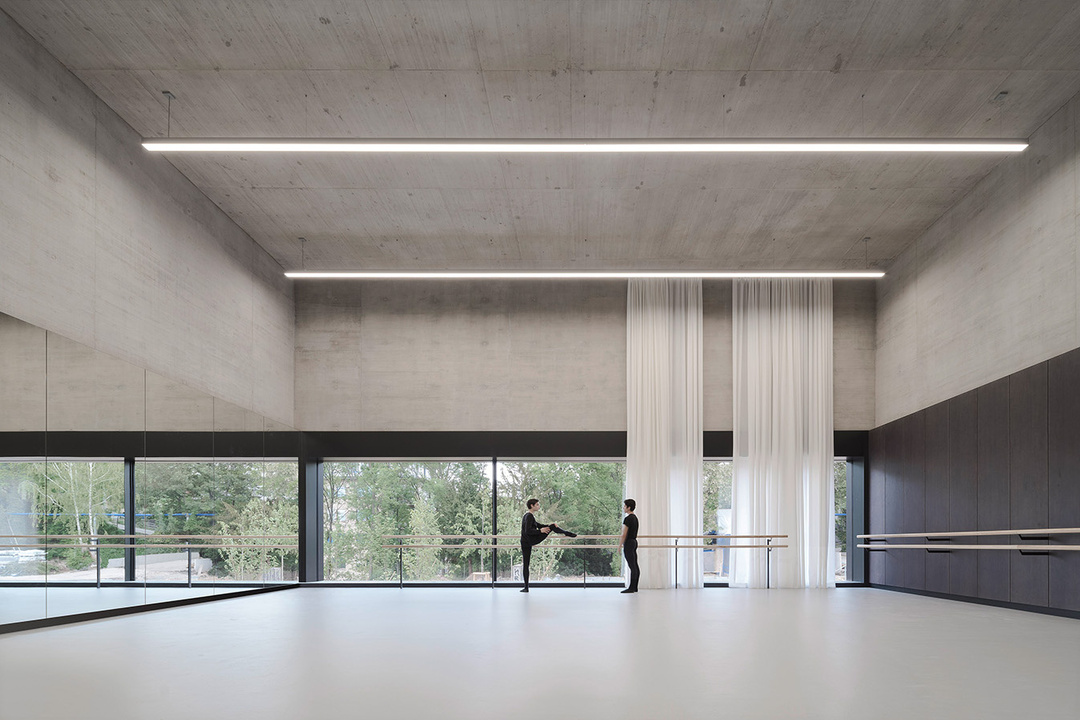
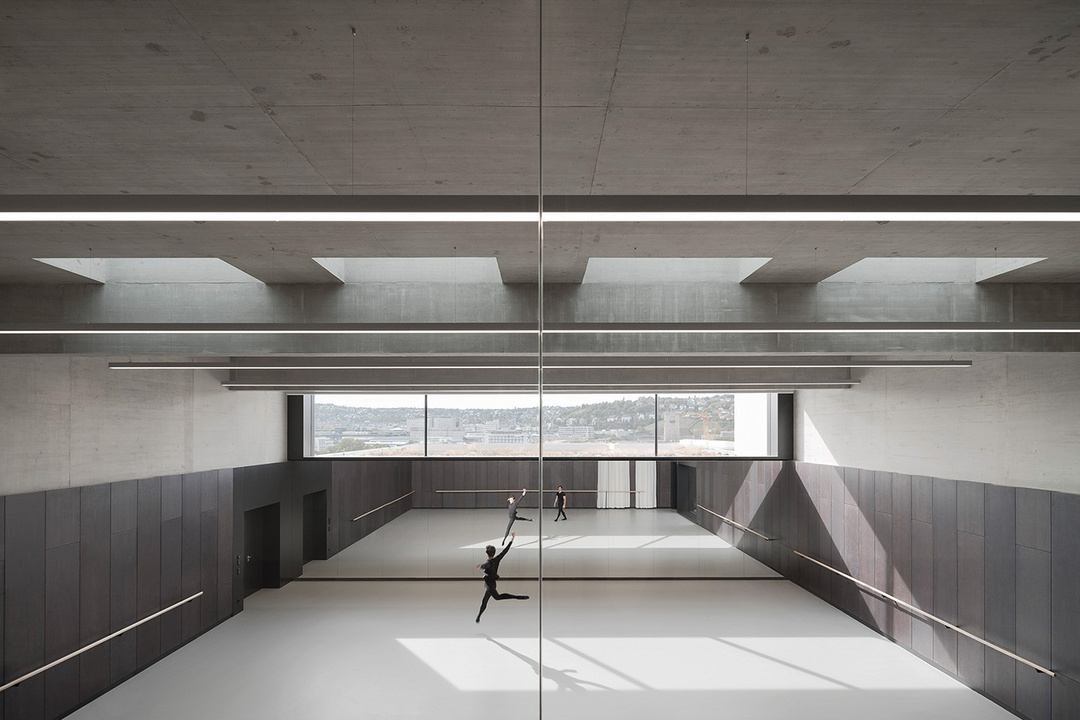
While the Berlin State Ballet School burns through one director after another and drifts aimlessly, the Stuttgart Ballet is recruiting its leadership from the capital: Elisa Carrillo Cabrera and Mikhail Kaniskin—formerly celebrated Principal Dancers with the Berlin State Ballet and since then internationally well-connected figures in the city’s ballet scene—have been leading the John Cranko School since January 1st, with her serving as Director and him as Deputy Director. Succeeding Tadeusz Matacz, who headed the institution for 27 years—spanning half of its entire existence—the couple has taken over not only a vast, beautiful new building but also an academy ranked among the global top ten.
How are you finding the move from the cosmopolitan city of Berlin to Stuttgart?
Elisa Carrillo Cabrera: For us, it doesn’t feel like a farewell, but rather a return. We lived in Berlin for nearly two decades—our daughter was born there—and the city will always hold a special place in our hearts. At the same time, Stuttgart has never felt foreign to us. John Cranko’s legacy and the values we learned here have stayed with us all these years. That is why we are so happy to return to this place and begin a new chapter.
Mikhail Kaniskin: For me, this move is something very personal. My artistic career began at the John Cranko School and with the Stuttgart Ballet. In this sense, things have come full circle. Stuttgart is a special place in the international ballet world. Returning after so many years and now having the opportunity to take responsibility for the next generation means a great deal to me.
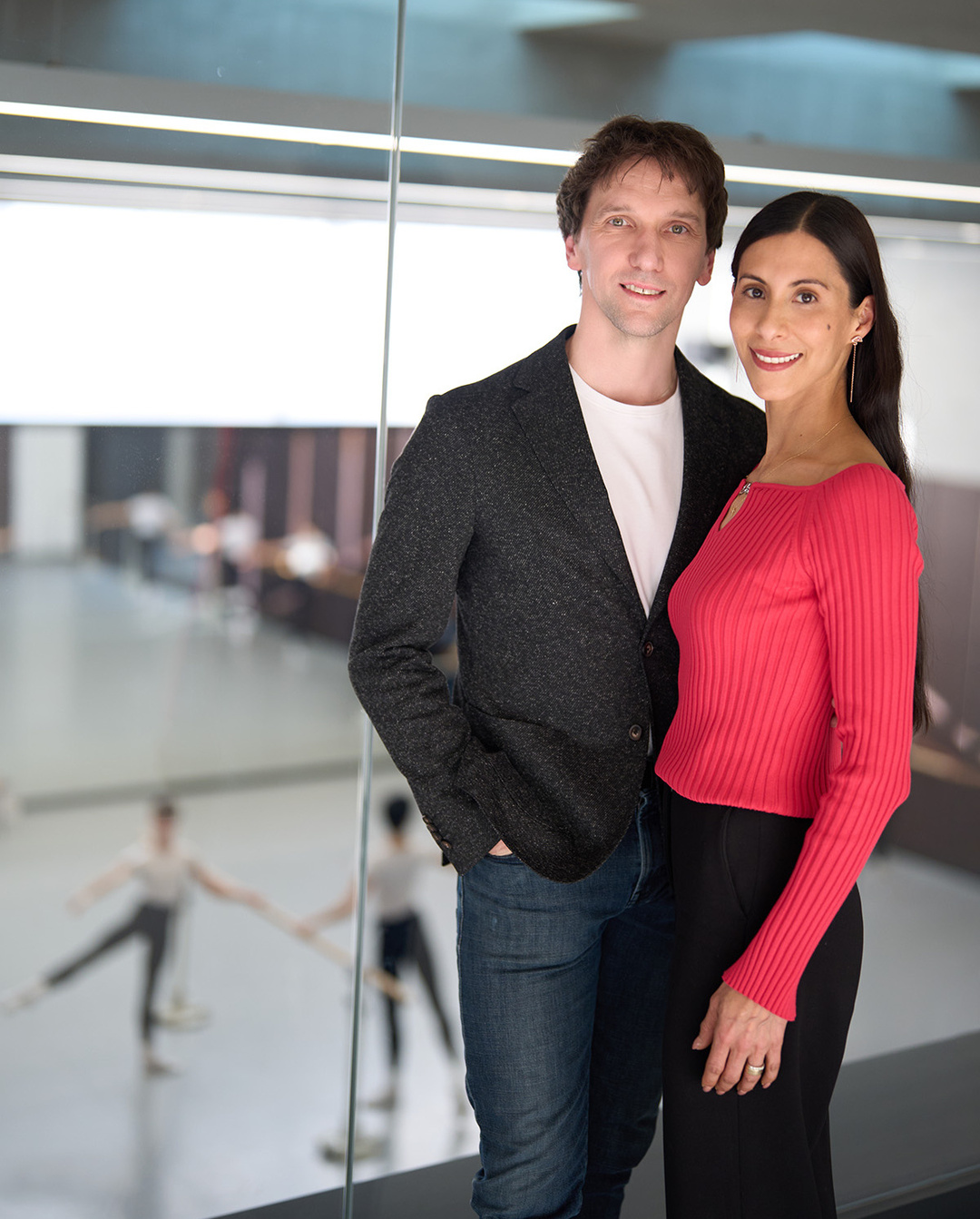
You both left Stuttgart in 2007. Tamas Detrich has now asked you if you would like to return to the John Cranko School. Didn't you actually want to continue working in Mexico? Had you ever considered working as educators?
Cabrera: When we left Stuttgart in 2007, we never imagined we would one day return to the John Cranko School! That’s the sort of thing you simply cannot plan for in life. Back then, we both completed our teacher training and received our diplomas at the Stuttgart Ballet under the direction of Alexander Khmelnitsky. Since then, we have taught as guest instructors at various ballet schools around the world. When Tamas Detrich asked us if we would like to come to the John Cranko School, the offer came at exactly the right moment.
Kaniskin: For me, too, it was a given. Over the past few years, we have gained a wealth of valuable experience through our work in Mexico. Elisa was the director of the Compañía Nacional de Danza, and I served as an artistic advisor. During that time, we learned a great deal about management, organization, and theater operations—right down to the day-to-day work of leading a large team. We managed the Elisa Carrillo Cabrera Foundation and established an international dance festival that also enables us to provide scholarships for children and young people. All these experiences have shaped us—far beyond our careers as dancers—and will be of great help to us in our new role.
You surely wouldn't want to give up everything you have achieved in Mexico?
Cabrera: My full attention is now focused on the school. At the same time, I naturally want to continue fulfilling my responsibilities as a cultural ambassador for Mexico. In my free time and during holidays, I will remain committed to the projects we have established. It is important to me that these initiatives continue to benefit many children and young people in the future.
Kaniskin: We have built a dedicated and highly professional team in Mexico. Naturally, we remain closely connected to the projects and will continue to support them as they move forward! We have confidence in our team there, which allows us to devote our full attention to our work at the John Cranko School.
Do you teach classes yourself?
Cabrera: I don’t have a regular class of my own, but I frequently conduct stage rehearsals and fill in for other teachers. Direct contact with our students is very important to me. At the moment, setting up the school—with its many organizational tasks and meetings—takes up a great deal of time. However, I look forward to spending even more time with the children in the ballet studio in the future.

Do you think you were asked—in part, Mr. Kaniskin—because you come from the Russian school?
Cabrera: I believe the decisive factor wasn't our background, but rather our experience and our shared vision of what modern ballet training should look like. The Vaganova method is an important foundation of classical training, one that we combine with the demands of the present day.
Kaniskin: I believe the decisive factors were our experience and our close connection to the Stuttgart Ballet. I began my training at the Bolshoi Academy and later completed it here at the school. This allowed me to experience both training traditions. For many years, the Cranko School has operated based on the Vaganova method, which has continuously evolved over time. The classical method forms the foundation, while what is built upon it keeps developing. Our goal is to train our students to be versatile enough to succeed anywhere in the world.
You both had long, successful careers. Is it possible to learn to take care of one’s body at a young age? Do you pass that on to your students?
Cabrera: You have to learn how to train properly. Discipline is important—just like a good warm-up and everything else you do for your body. In my experience, if you train regularly and mindfully, your body stays healthy and capable. We talk to our students a lot about this. We want to share our experiences and help them stay healthy in the long run.
Kaniskin: We are preparing courses where they will learn about nutrition, recovery, and how to treat their bodies mindfully. Our new head of the boarding school brings valuable experience from elite sports to this role. Our goal is to prepare the young dancers as well as possible for their professional futures.
After all the ballet school scandals: How do you convey authority—something that is certainly necessary in ballet training? How do you strike the right balance?
Cabrera: We talk a lot with our students. Discipline is part of it, of course, but it must be based on respectful and positive interaction. It isn’t enough to simply say, "That’s not right!" Instead, we explain how something can be improved—such as a position or a movement. We show the students how they can continue to develop.
Kaniskin: I believe we are seeing a new generation of children and young people today—one shaped by digitalization, social media, and the experiences of the pandemic. That is why we, as educators, need to find new approaches. In the past, a simple "no" often sufficed. Today, it is important to explain why something is right or wrong and what consequences certain decisions have. You have to talk to the children, listen to them, and guide them along their path. Our goal is not just to teach them specific steps or a cabriole; we want to help them understand how to develop as artists and what truly matters in the theater and in professional life.
Cabrera: Communication is of enormous importance to us. Mutual respect and trust are equally vital. That is why we maintain close contact with our students, the boarding school, and the parents. We speak regularly by phone and via video calls to ensure everyone is well-informed and so that we can work together to support the children’s optimal development. I tell everyone that my door is always open; if anyone has a question or wants to talk about something, they can come to me at any time. Trust grows over time, and I am pleased that many students are already taking that step. Ballet involves learning new things and continuing to develop every day. That is why we view feedback as something positive—an opportunity to grow together and bring out the best in every single student.
Is this a bit easier because you are a woman?
Cabrera: I think it has a lot to do with my personality. As a child in Mexico, I faced many challenges myself, and those experiences still shape me today. I try to pass them on. Since becoming a mother myself, I see things from a different perspective and want to be a trusted figure for our students.
The Cranko School now has a much stronger presence on social media. Is that necessary for presenting the school today? Is it also good for the children?
Kaniskin: Times have changed, and so has the way we communicate. Naturally, we coordinate everything with the legal department and comply with data protection regulations. Anyone who does not wish to appear on social media does not appear in the images. Clear rules apply in the ballet studio: personal mobile phones are not permitted, and recordings may only be made using the school’s official phones. At the same time, it is important to provide an authentic insight into our work. This creates transparency and helps parents and prospective students get to know the Cranko School and our work better.