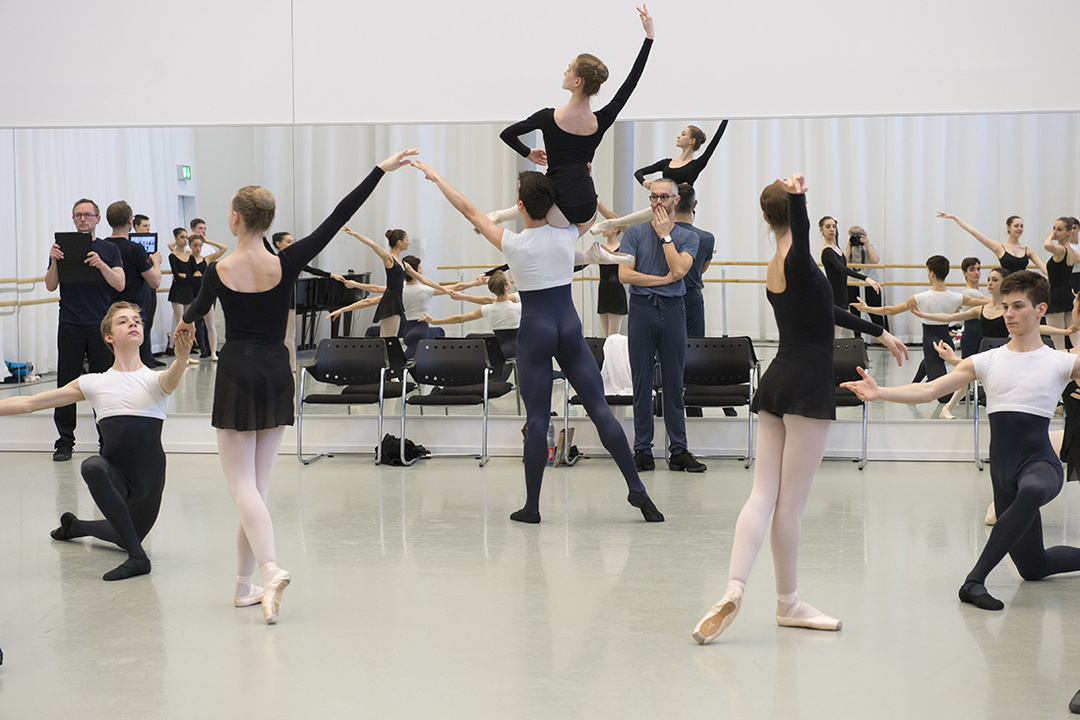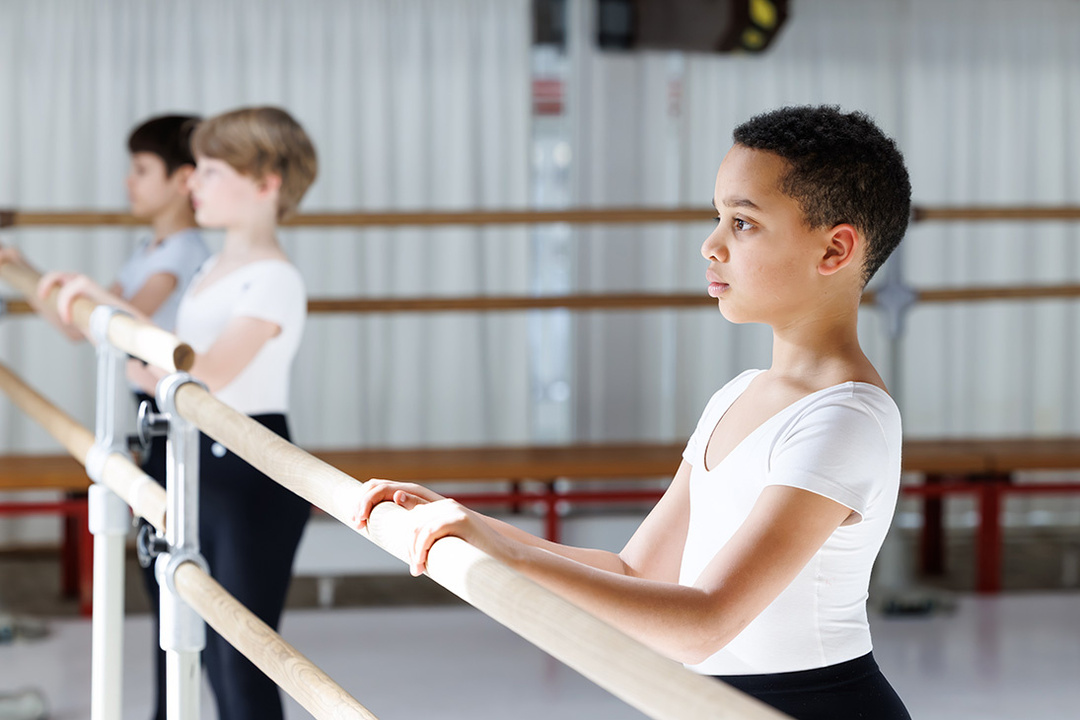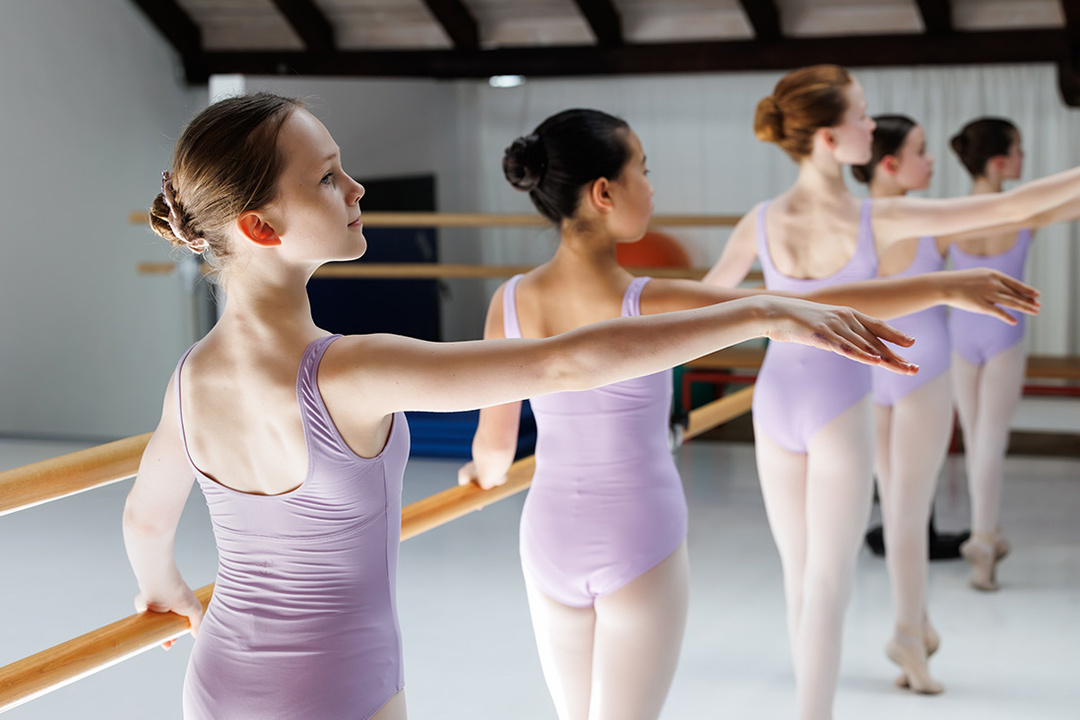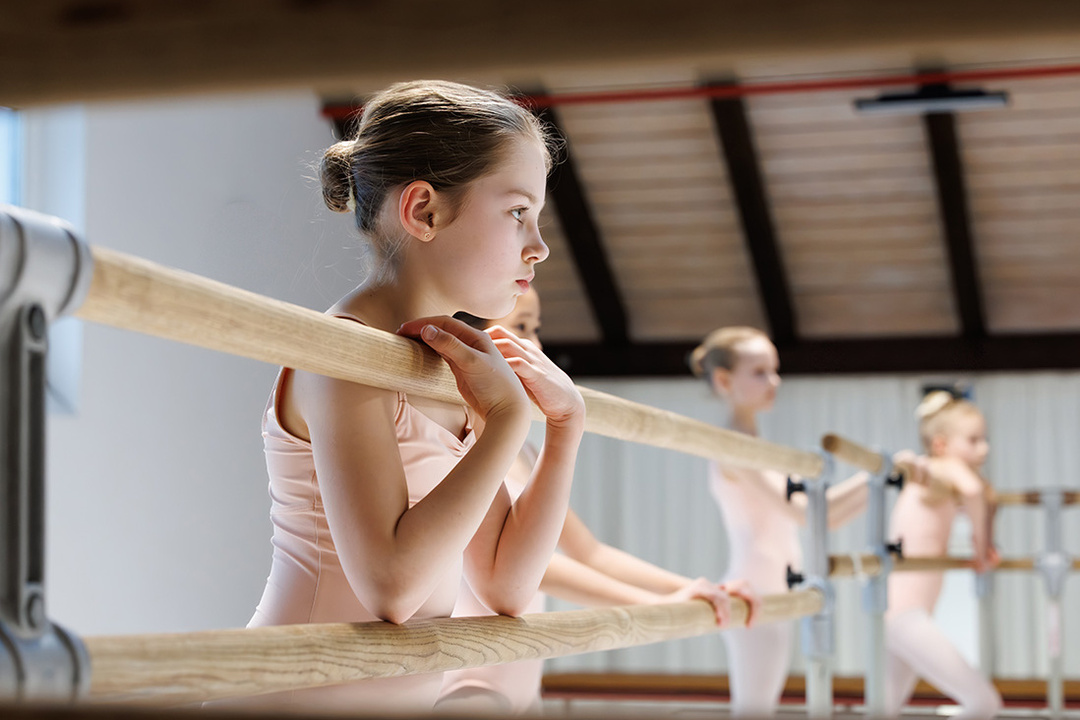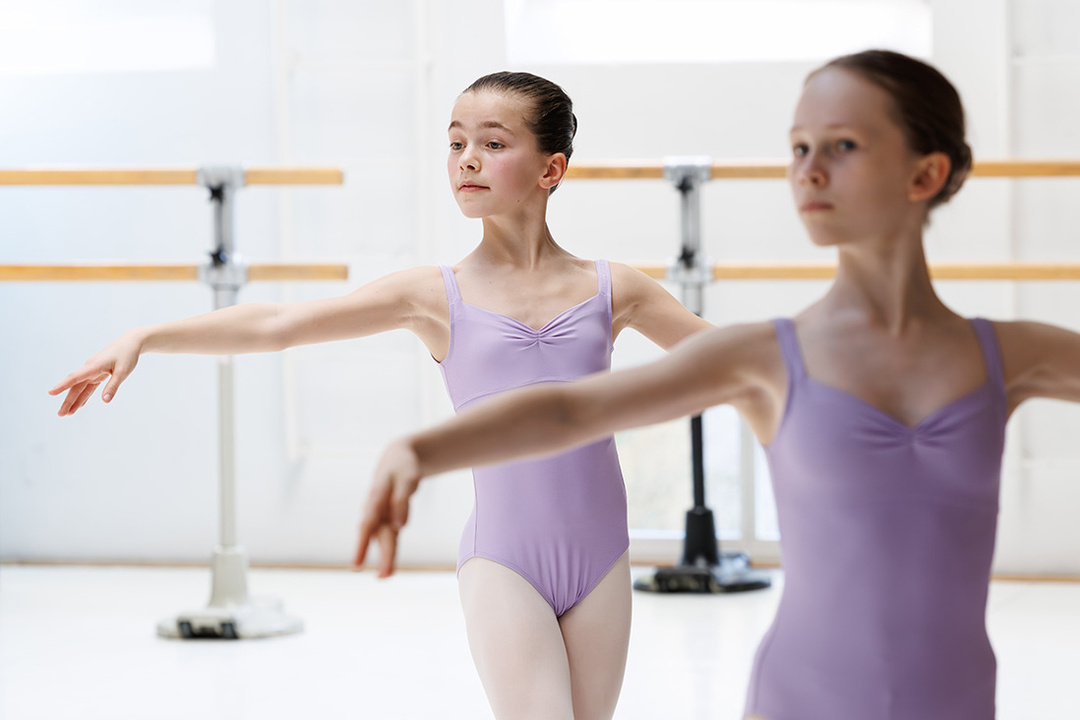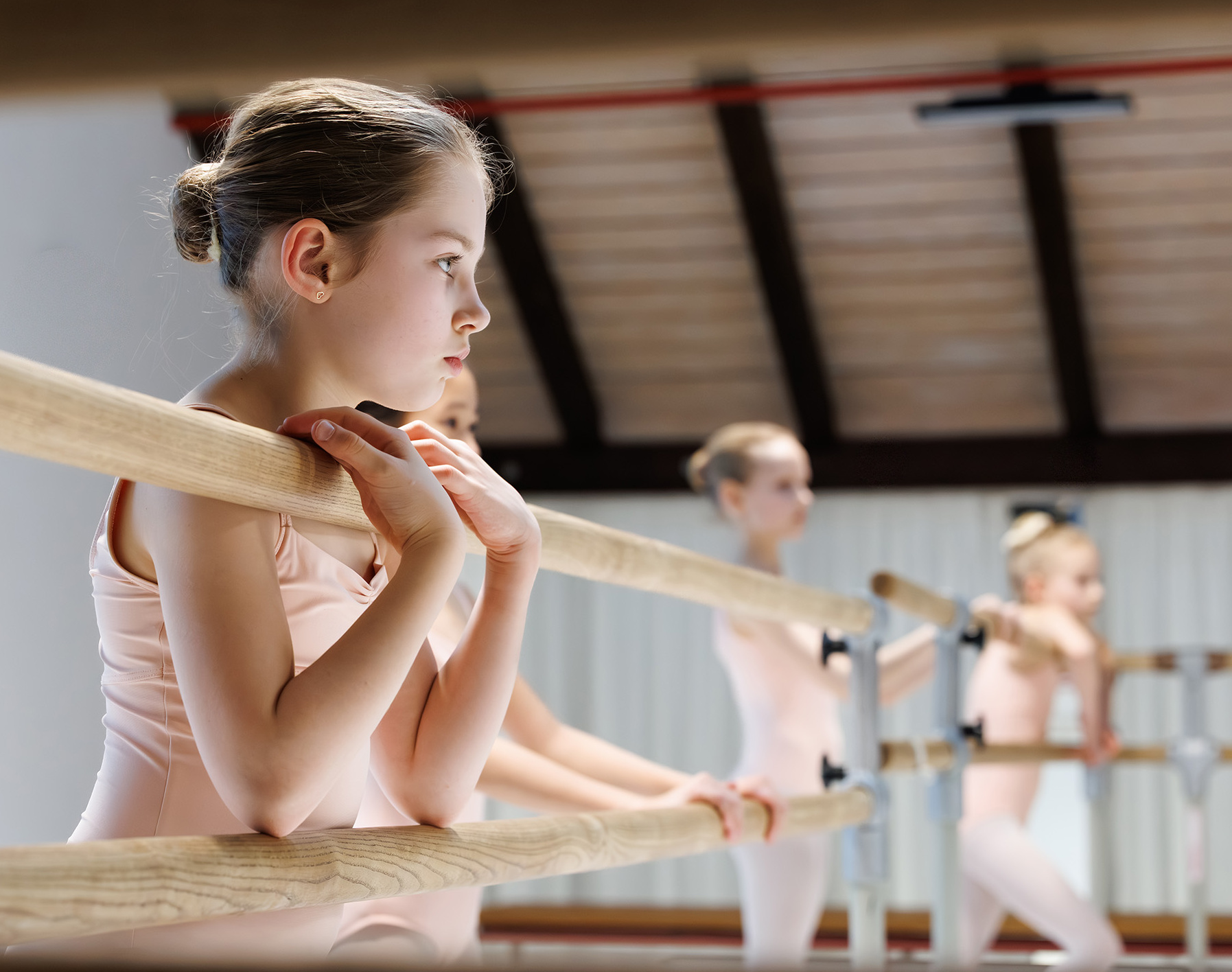
Scouting at competitions brings new talent to training centers. However, that alone is not enough to remain an attractive institution and ensure future quality in the dance profession. So, what approaches are the major academies, schools, and colleges taking? Certainly, a balancing act between the desire to invest and a lack of capacity is involved—spanning everything from the allure of the "Neumeier aura" to nutrition workshops for parents.
"We realized that we need to place greater emphasis on recruiting young talent in order to continue finding a good number of suitable children. It requires more effort." With these words, Maud Butter retired this summer. For more than 15 years, she traveled to primary schools across Saxony as a talent scout for the Palucca Hochschule für Tanz Dresden. The position is being filled anew for the upcoming school year—efforts to recruit young talent have become crucial. However, one thing should be kept in mind: the university plays a unique role in this regard compared to other major training institutions in Germany, Austria, and Switzerland. Thanks to its structure, it possesses not only a dedicated (part-time) position for talent scouting but also a dedicated position for press and public relations. What is the connection between the two? Scouting is, after all, a form of marketing.
Looking at other institutions, the conditions are less than ideal.
The issue of recruiting young talent is usually handled more or less as an afterthought, an additional task distributed among several people. Gigi Hyatt, interim director of the Hamburg Ballet School, has her own perspective: "The term 'recruiting young talent' isn't ideal for me. It sounds so much like competition and trophies. I want students to attend the school where their potential for creativity, technique, and artistic expression can be best developed. That's what we strive for. We're fortunate that our profile, with John Neumeier as the founder of our school, is still shaped by his vision." She hopes that potential students will do their own research beforehand to find suitable professional training. However, this raises the question of whether the institutions themselves are doing enough in their public relations efforts to tailor their approach to the target audience effectively. "I hope that our profile speaks for itself and attracts students to us for whom it is the best path for their individual development. There is no need for 'selling' in that case," is Hyatt’s clear statement. It is a strategy with an expiration date, however. Clearly, it has to be the right fit for both sides.
But the Neumeier name will not forever lend its prestige to the institution. Hyatt is well aware of this; she and her team naturally attend the Prix de Lausanne every year—scouting for talent, just like other training institutes. The Hamburg-based educators travel internationally in any case, conducting masterclasses and courses, and inviting dancers for "short-term study" during the summer program—as well as to the annual audition.