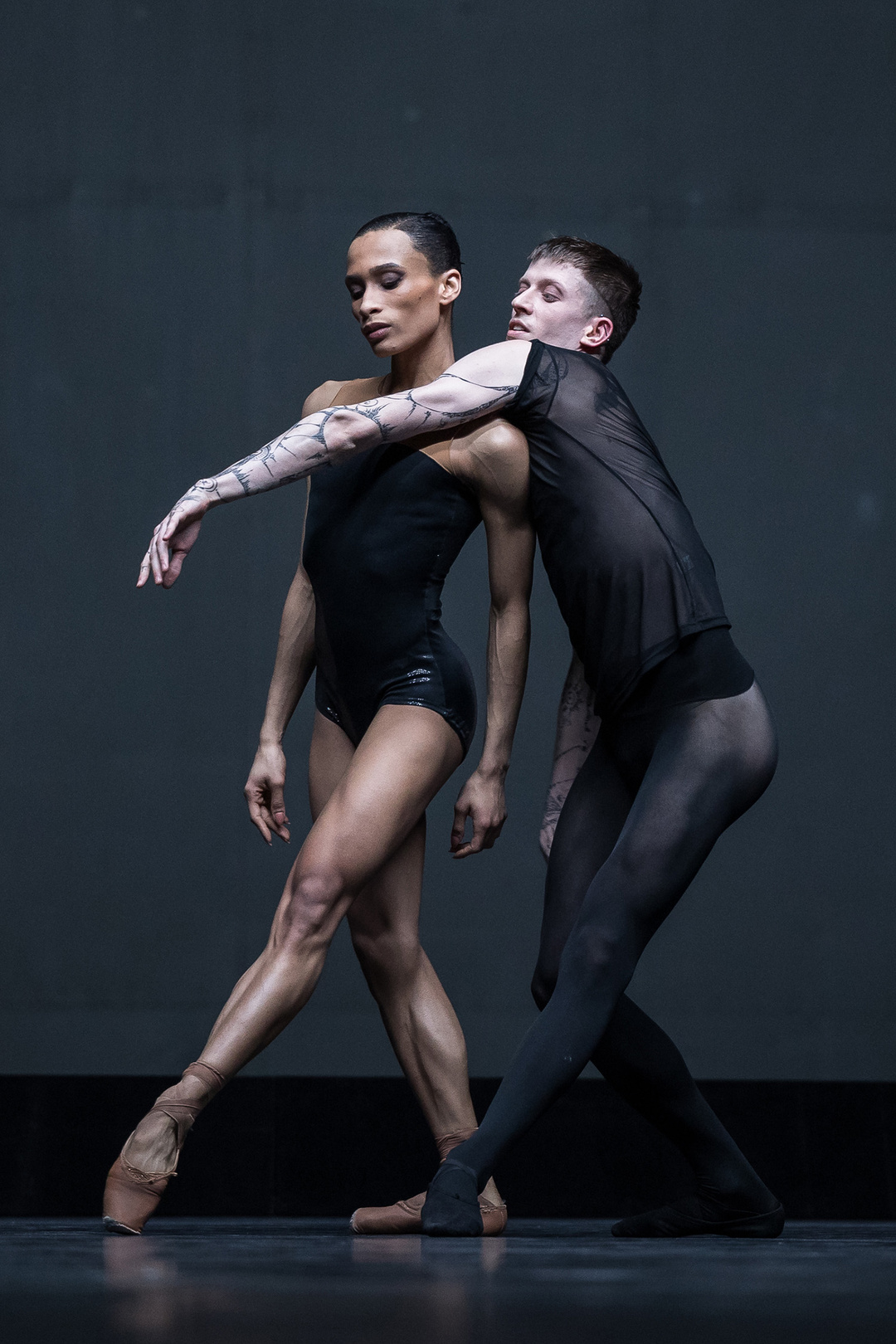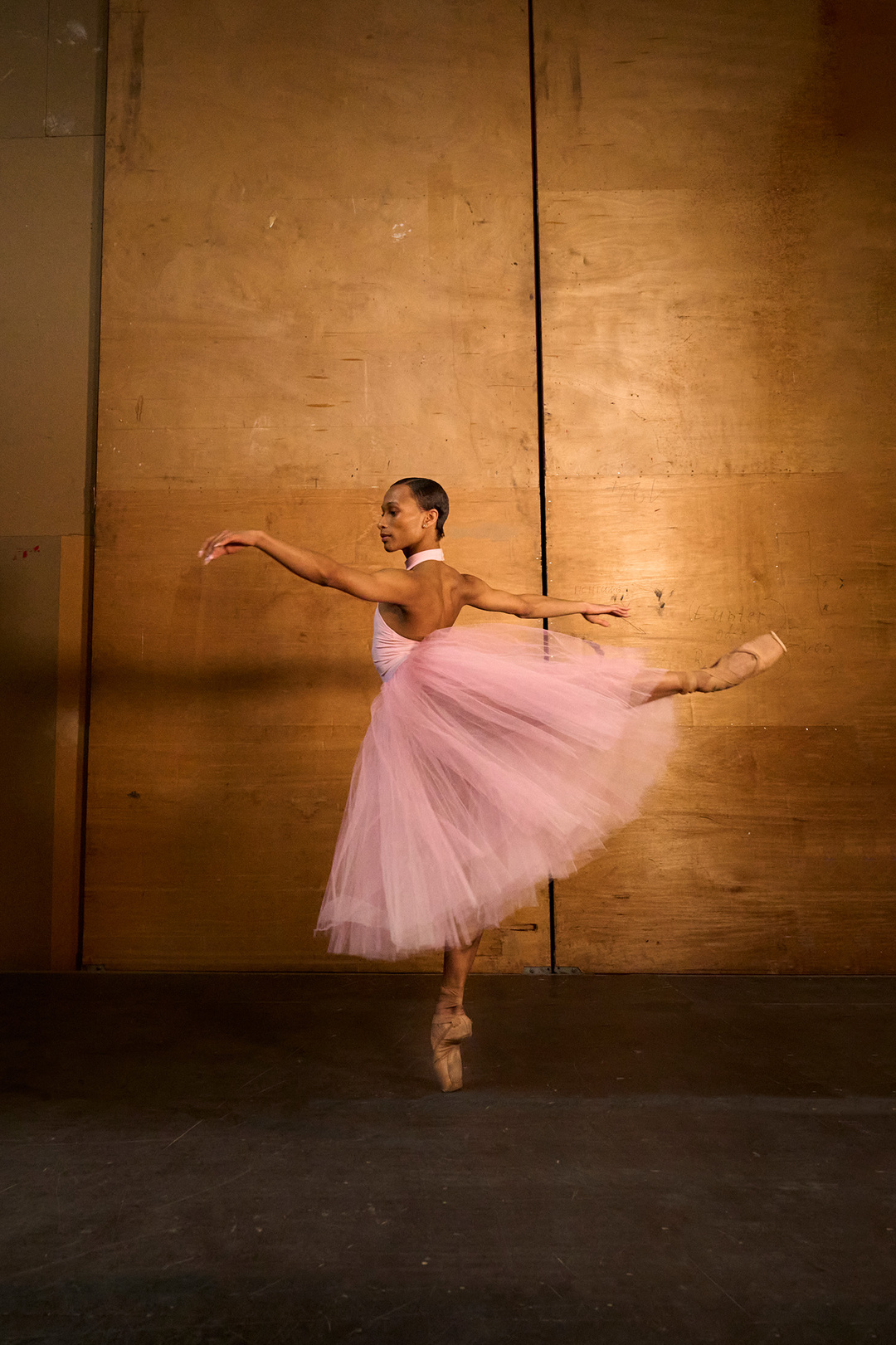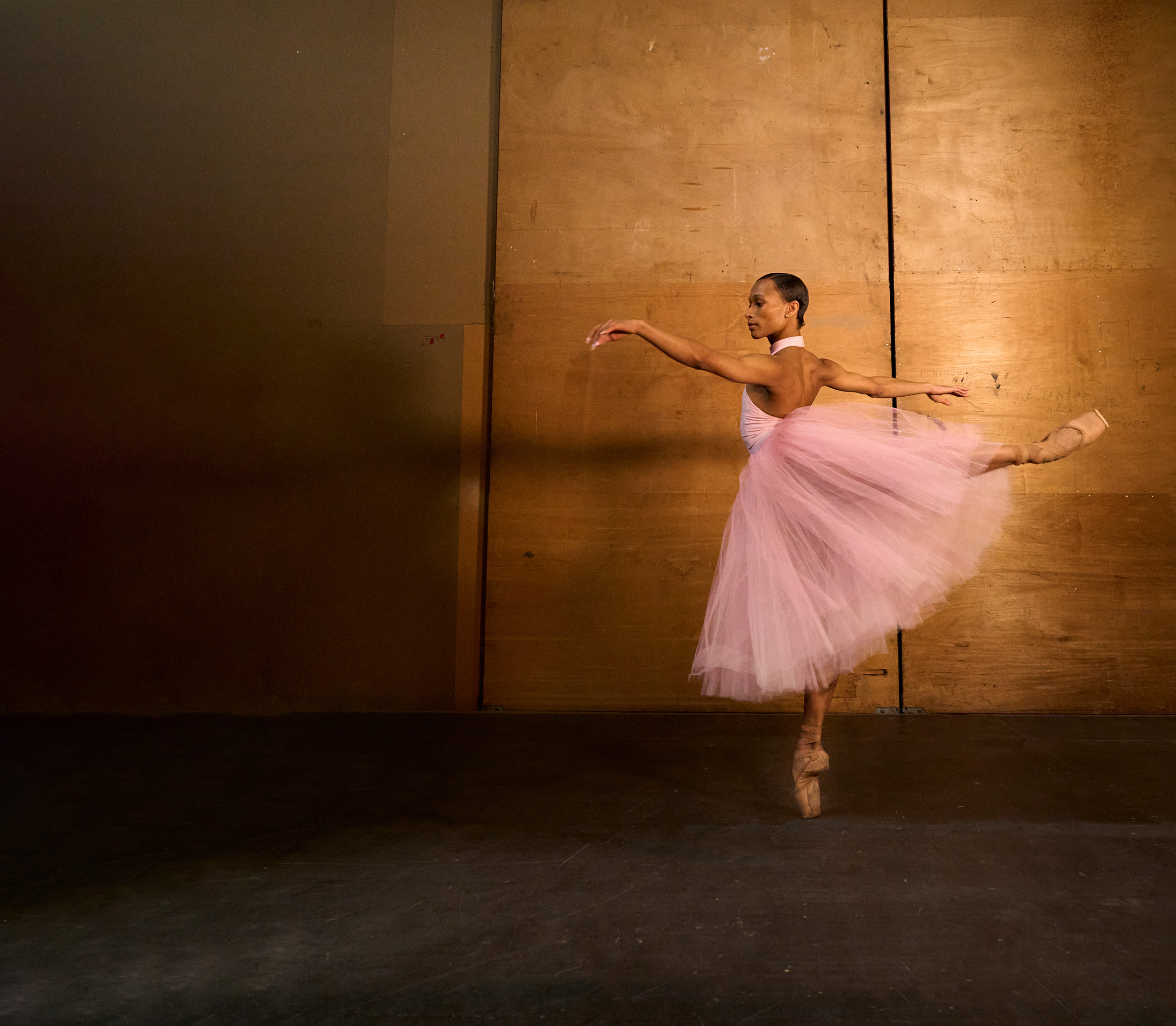
She comes onto the stage bouncy, elegant, lively and turbo-dynamic. Her leg whizzes up, the pointe shoe seemingly extends the arched instep to infinity. A mischievous smile flashes across her face, while the tutu bounces up and down around her waist, whipped up by jagged jumps. The performance took place last winter, the venue was Berlin's Deutsche Oper, and the arrangement was the work of none other than the legendary choreographer William Forsythe: Blake Works I, originally designed for the ballet of the Paris Opera, turned out to be a revelation in more ways than one. In fact, the evening became a revolution quietly instigated on pointe: Leroy Mokgatle, born as a boy in South Africa 24 years ago, convinced everyone as one of the greatest ballerinas ever to be seen in the capital.
Series of Pirouettes
The colleagues who train with Leroy Mokgatle think so too. A few chats in the hallway in the ballet wing, high up under the opera roof, and everyone knows: "Flawless technique, wonderful person," is the unanimous verdict. Not the slightest feeling of competition? Heads are shaken vigorously. The same reaction, half an hour later in a conversation with Leroy Mokgatle. Although she has rushed straight from rehearsal, she does not seem stressed or tense. Black scarf around her head, discreet earrings, dazzling laughter and cheerful facial expressions, immediately the assurance on her lips: "I am infinitely grateful to the dancers because they give me courage and dispel my self-doubts." Fears that Mokgatle's performances do not even begin to reveal. When the dancer, who has been promoted to demi-soloist since the current season, performs a series of pirouettes in Forsythe's Blake Works I or parades as a socialite in Christian Spuck's Bovary, all necks in the audience crane: so much charisma, esprit and skill appeases even skeptical advocates of tradition who consider fluid gender boundaries and crossings from one gender faction to the other to be an attack on the core brand of ballet.