
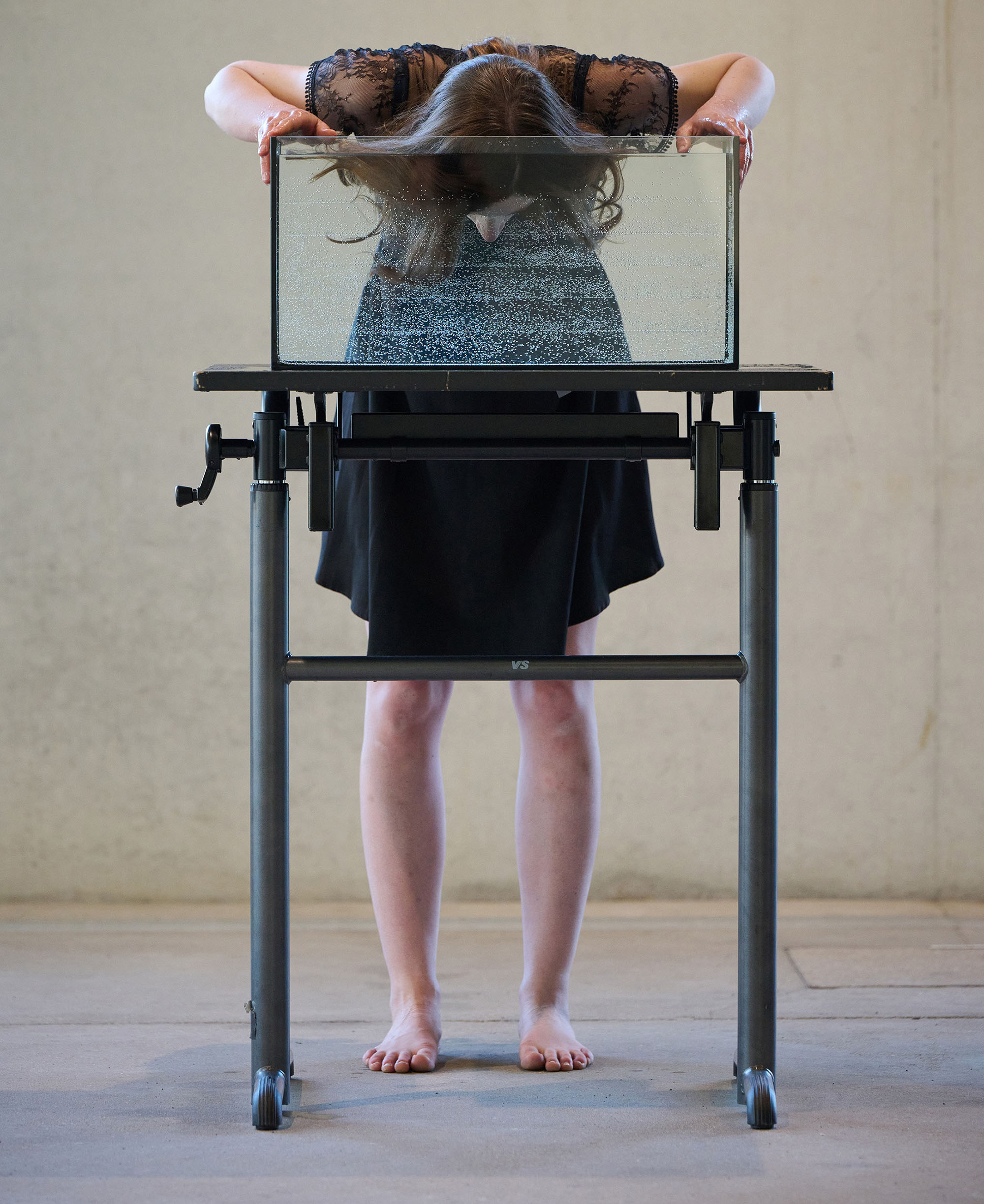
Performative Turn
Museum Folkwang director Peter Gorschlüter on the growing role of dance, performance, and artistic collaboration in museums. A conversation
Claudia Henne: Mr. Gorschlüter, you head the Museum Folkwang in Essen. I’ve noticed that while museums are opening their doors to performance art and dance, there isn’t a single curator for "moving art" on the team. Why is that?
Peter Gorschlüter: Yes, it is surprising, given that this isn't a new development—especially when we look at the Museum Folkwang. Our museum’s founder already had a very strong connection to dance back in the early 20th century. The reason this hasn't yet been reflected in organizational structures may have to do with the fact that many museums are tied to municipal administrations and their ideas of how a museum should operate. Such developments simply take time to become institutionalized. Then there is the question of how museums define their role. Some still see themselves as gatekeepers: deciding what to let in and what to keep out.
CH: The traditional mission of museums is to collect, research, preserve, and exhibit. Is that still the ultimate standard?
PG: New areas are increasingly being added—certainly driven by the way the arts are shifting toward the performative. This raises new questions: How do we think about dance, performance art, and ephemeral forms? What role does intangible cultural heritage play in the museum context? Fundamentally, a museum is based on a collection concept centered on objects. Yet there are artists who challenge the museum in this regard—figures like Tino Sehgal, Boris Charmatz, or William Forsythe. We have collaborated with them repeatedly in the past.
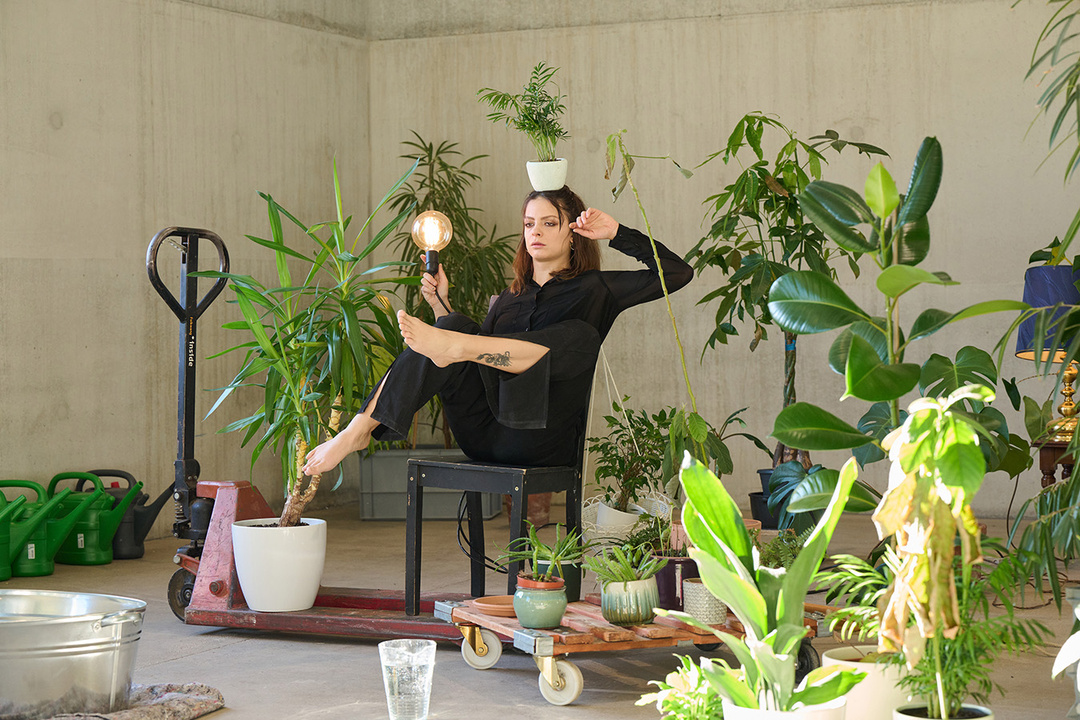
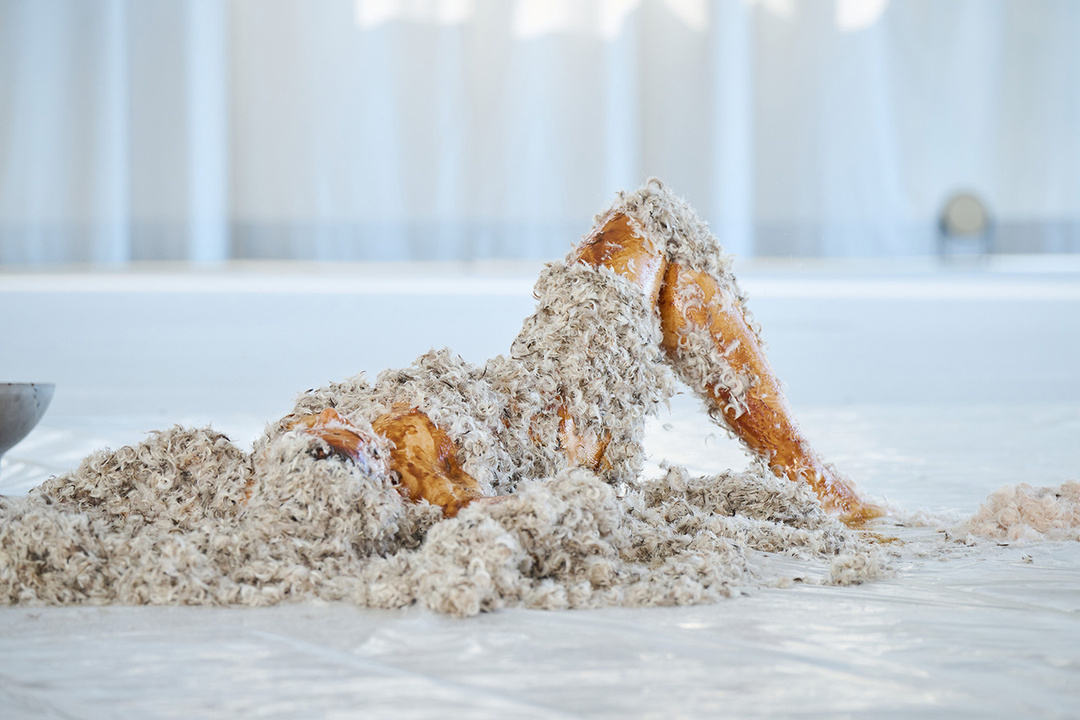
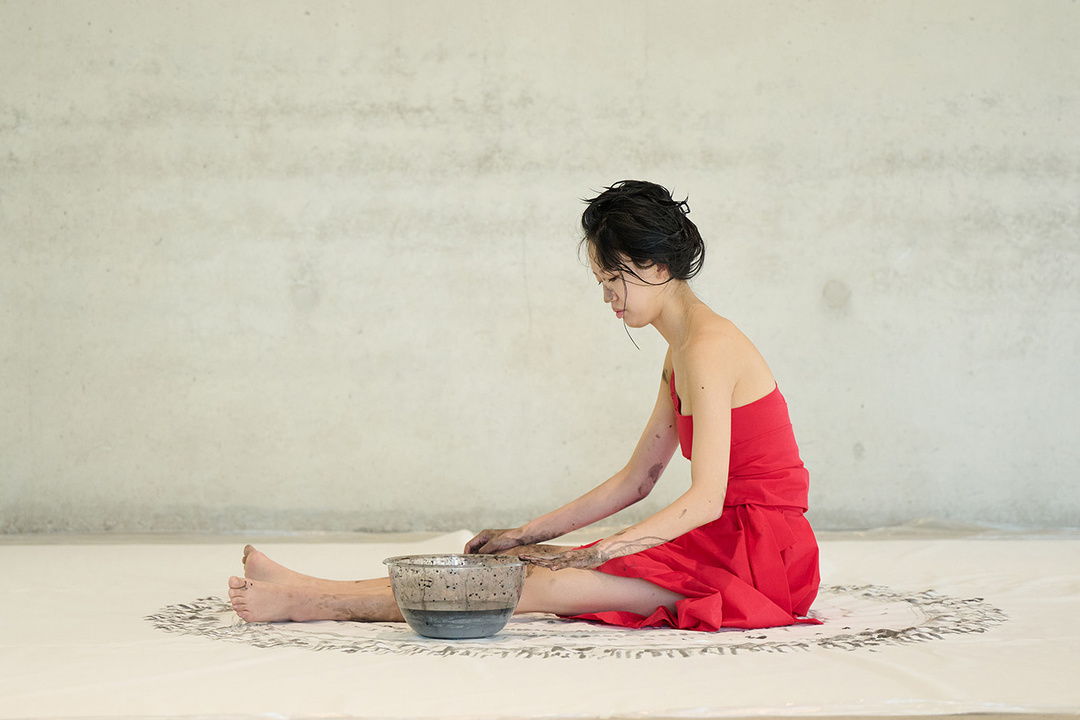
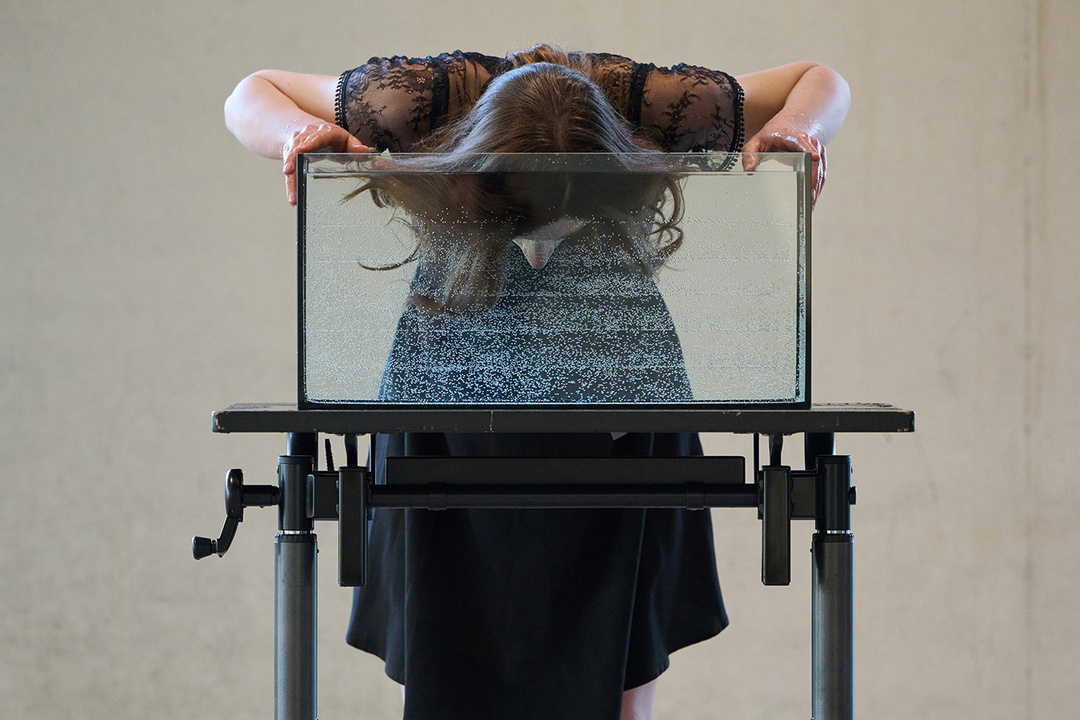
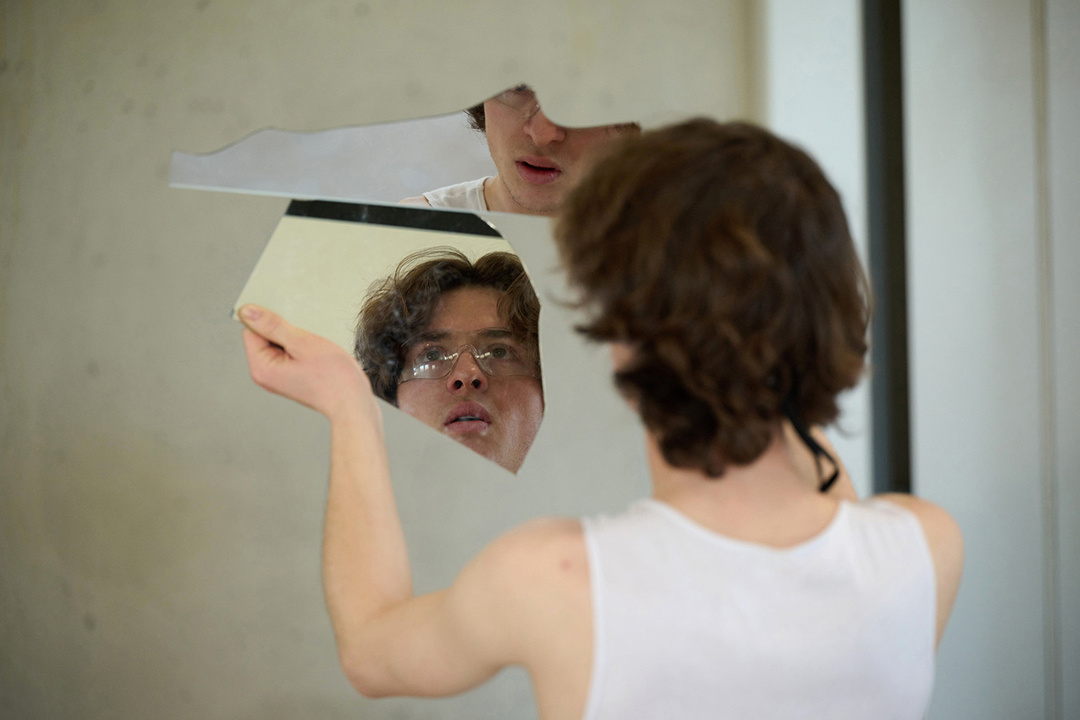
CH: You mention the French dancer and choreographer Boris Charmatz, who created the Musée de la Danse while directing a French Centre chorégraphique. He has stated that he considers it a mistake to try to understand the history of the visual arts without dance—do you share this view?
PG: Yes, I certainly do. The Folkwang concept is rooted in a dialogue between the arts. In that sense, we were actually further along 120 years ago than in subsequent developments—although performative forms did play a major role in art as early as the 1960s. That is an aspect that simply cannot be ignored. I believe the issue lies less with the artists themselves than with the institutions. During the 20th century—with a few exceptions—they went their separate ways: museums for the visual arts, theaters for the performing arts. This development is therefore more a matter of institutional history than of the arts themselves; the arts are much closer to one another.
CH: Your founder, Karl-Ernst Osthaus, held a completely different outlook from the very beginning. He championed "the unity of the arts and all artistic education" and was deeply enthusiastic about dance—specifically the dance reform movement—yet no one followed his lead. Was he truly such an anomaly as an art collector and patron?
PG: He was a visionary at a time when society and the cultural landscape had not yet caught up with him. He started out as a collector and founded the Folkwang Museum as an art museum in 1902. At the same time, he quickly realized that a museum alone cannot change society. He wanted to make an impact across all areas of life and place people at the center just as much as the arts. Through his concept of the unity of art and life, he sought to contribute to a better way of living. His goal was to foster human connection through the medium of art. He was well acquainted with Mary Wigman and Rudolf von Laban. He also made several attempts to truly integrate dance into the Folkwang. For various reasons, however, these initiatives failed. Unfortunately.
CH: After World War II, New York emerged as a hotspot for artists across all disciplines who were in search of something new. They met, collaborated, and lived together. Boundaries became fluid. Just as in the early 20th century, society was once again in a state of upheaval. Does it take a historical moment like that to liberate art from the boundaries between genres?
PG: Sometimes I think these things move in waves. The shift toward performance and conceptual art in the 1960s and 1970s was a crucial phase. Other developments followed. Recently, however, there has been a renewed focus on that era and on performance-based approaches. Marina Abramović, for instance, has since become a superstar.
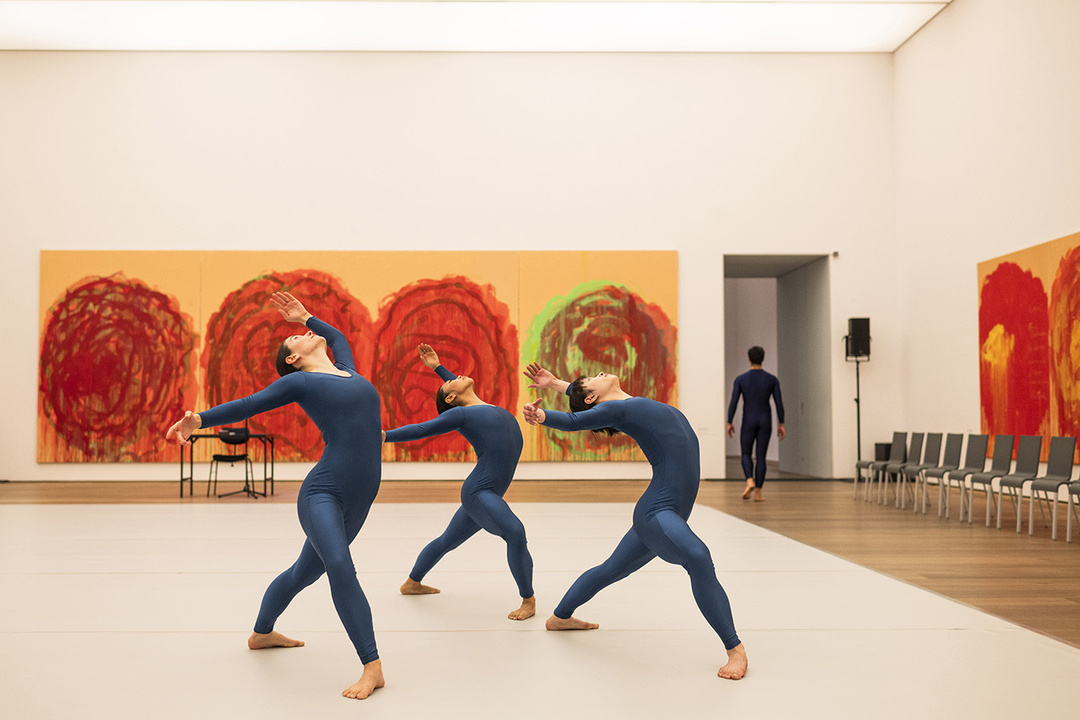
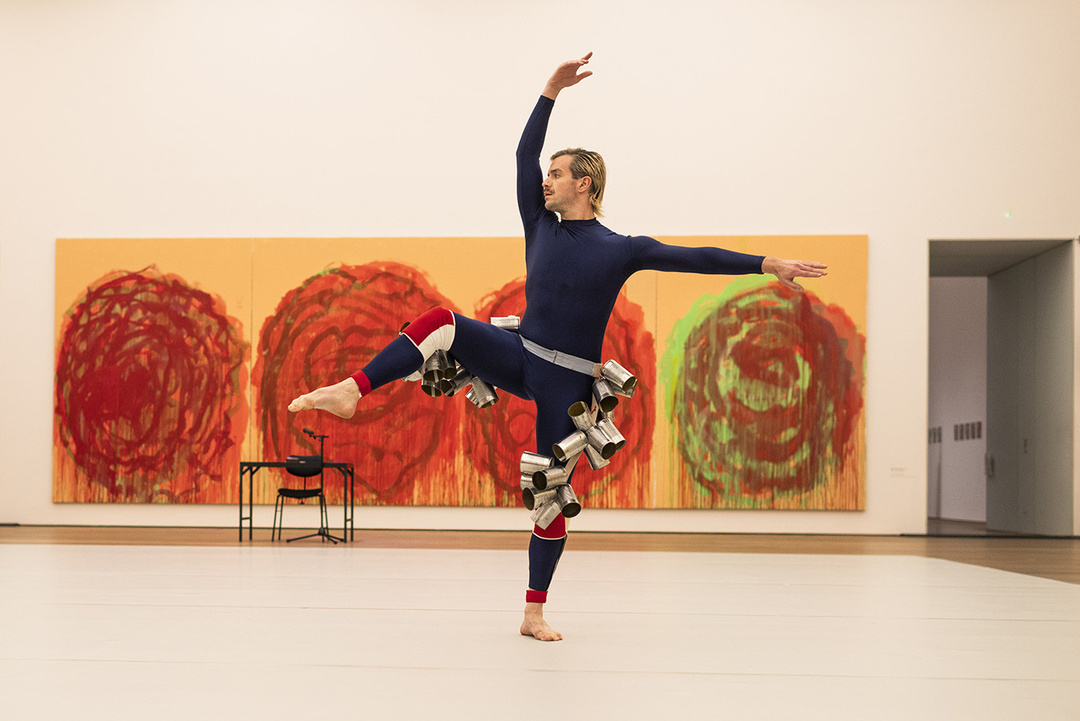
CH: Does it matter that the performance originated within an art context—at a time when movement, expression, and bodies in contemporary dance were breaking free, yet without a fixed place among the established art disciplines?
PG: I don’t think that has so much to do with the art forms or the artists themselves. Whether a work is categorized as visual art, dance, photography, or music depends more on the respective scenes and how they perceive that art. The crucial factor is that audiences—and the media—have different target groups and consumers. There probably aren't that many people who are interested in visual art and also read tanz magazine. While I believe these boundaries are increasingly blurring and the fields are slowly converging, they haven't yet merged into a single entity.
CH: Critics argue that dance within an exhibition context often plays a subordinate role as a form of "silent art"…
PG: Not at all. I am less interested in the museum merely as a venue for dance or performance. We are interested in the question of how artistic strategies or methods can fruitfully combine. One could say that dance and the visual arts differ greatly. The one is time-based, ephemeral, and not object-oriented; the other is static, motionless, and designed for permanence. Yet, one discovers that there are indeed commonalities. Doesn’t the formal language found in dance relate to sculptural form? Or aren’t we actually discussing a similar relationship between the work and the viewer? Don’t sightlines and spatial impact play a role—just as they do in art—especially as the visual arts increasingly evolve in a spatial direction? When we see choreographers working with "long duration, then the museum might actually be a more suitable setting than the stage. Or perhaps the interaction many choreographers seek with the audience is better suited to a museum space where visitors can move around freely. This might open up new perspectives for dance.”
CH: Have blockbuster exhibitions attracting thousands of visitors—and the many events held in museums—shifted the landscape somewhat?
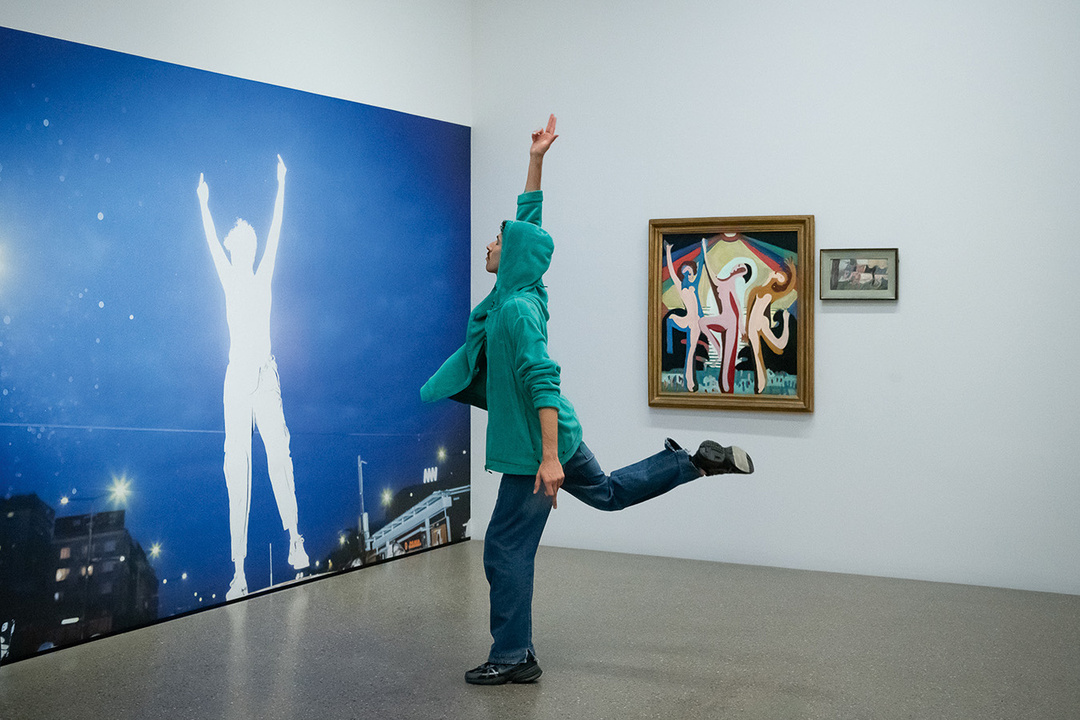
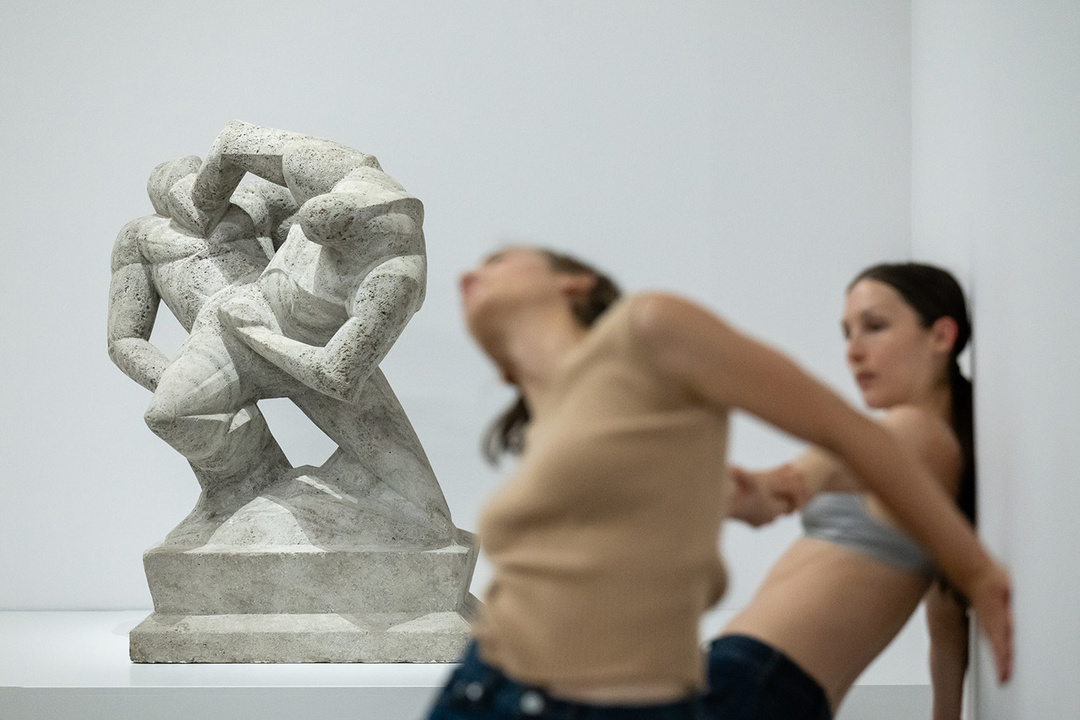
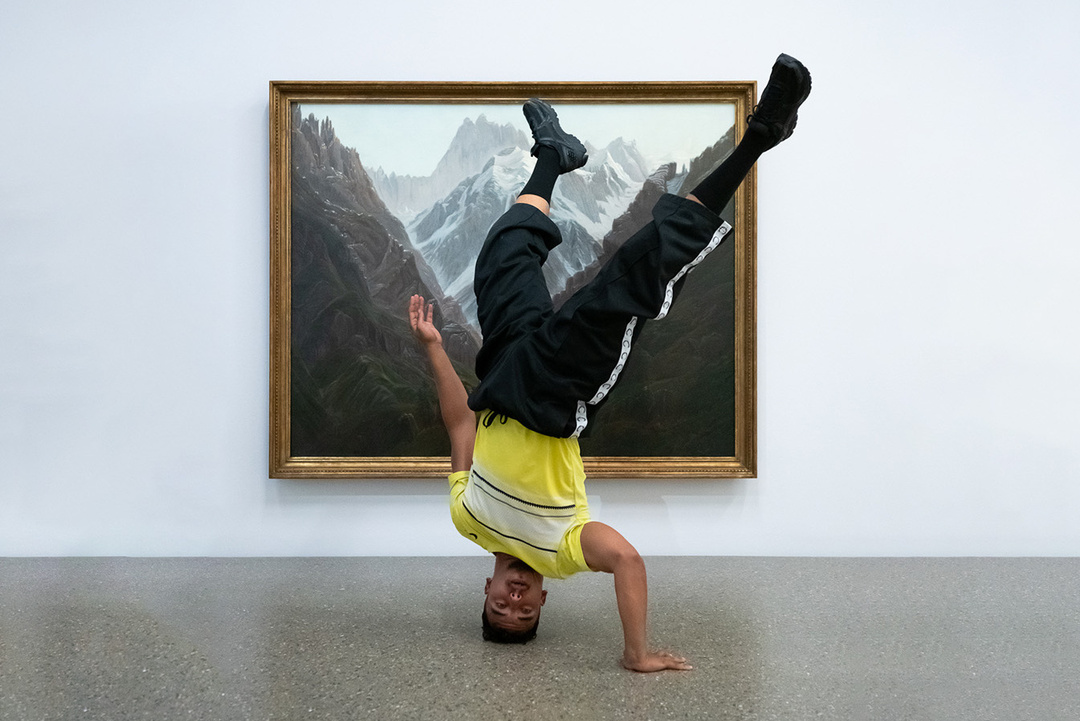
PG: The "event" aspect of museums is playing an increasingly important role. We, too, no longer view our museum merely as a place for exhibitions and collection displays. That live element—the moment of interaction—is gaining significance. Today, visitors are increasingly seeking holistic, almost visceral experiences. At the same time, we are engaging with our collections much more actively. We activate them—as we did in 2024, for instance, in collaboration with Anne Teresa De Keersmaeker. She worked directly with our collection; it was, in a sense, a living presentation of the collection.
CH: How did you manage that? After all, you have to protect the valuable artworks.
PG: We gave Anne Teresa de Keersmaeker carte blanche to look through the collection for works that inspired her. She developed a choreographic journey based on those pieces. It involved nine rooms where choreographic interventions were constantly taking place simultaneously—six hours a day for four weeks. It was a challenge for all of us, because movements emerge in the space that cannot be controlled. Insurance issues, technical questions, staff preparation—it really requires a strong commitment from both sides. It starts with the question of when the company can rehearse. In the evening? That’s when the museum is closed. We have long lead times for our exhibitions; normally, everything is finalized at least six months in advance. So, when a company like Anne Teresa De Keersmaeker’s Rosas wants to swap out a piece just six weeks before the opening, it pushes our operational processes to the limit. We hosted Marina Abramović here with students from Folkwang University, who presented the 54 Hours Performances—ten days featuring over twenty performances running concurrently throughout the day. Visitors were so captivated that some stayed in the museum all day long; they simply couldn't tear themselves away.
CH: Is the fascination really that great?
PG: There seems to be a strong demand for it, and I believe that the museum dedicated to dance can drive further development in this area. That sense of immediate contact—being in the same space, becoming part of the work—is something the museum can perhaps offer even better than the stage. For us, this has become a key programmatic focus: bringing together the expertise of artists from various disciplines and institutions—there is immense potential in that.
CH: What does this mean for your collecting activities? Will you be purchasing concepts or performance rights in the future?
PG: There are various trends. With Tino Sehgal, contracts are made verbally, and the museum administration is responsible for passing on the knowledge regarding their execution. There are other forms that are not choreographies in the strict sense at all. I find it very interesting, for instance, how William Forsythe has reflected on the connection between choreography and object—the idea of "Choreographic Objects." The museum now owns five such works; in principle, they conceive of choreography without dancers, as the objects prompt visitors to become active participants themselves. It is a concept that interweaves the ideas of choreography, dance, the museum, and the object very closely.
CH: Let’s look to the future. What are your plans next?
PG: We are currently in discussions regarding an exhibition featuring performative elements centered on VA Wölfl and Neuer Tanz. Wölfl is the quintessential Folkwang artist because he worked across various disciplines—such as photography and performance. He acted as his own designer, creating his own posters. Essentially, he was a universal artist who performed here at the Museum Folkwang early in his career. Thanks to the DNA instilled by Karl-Ernst Osthaus 120 years ago, we have, ultimately, always remained contemporary.
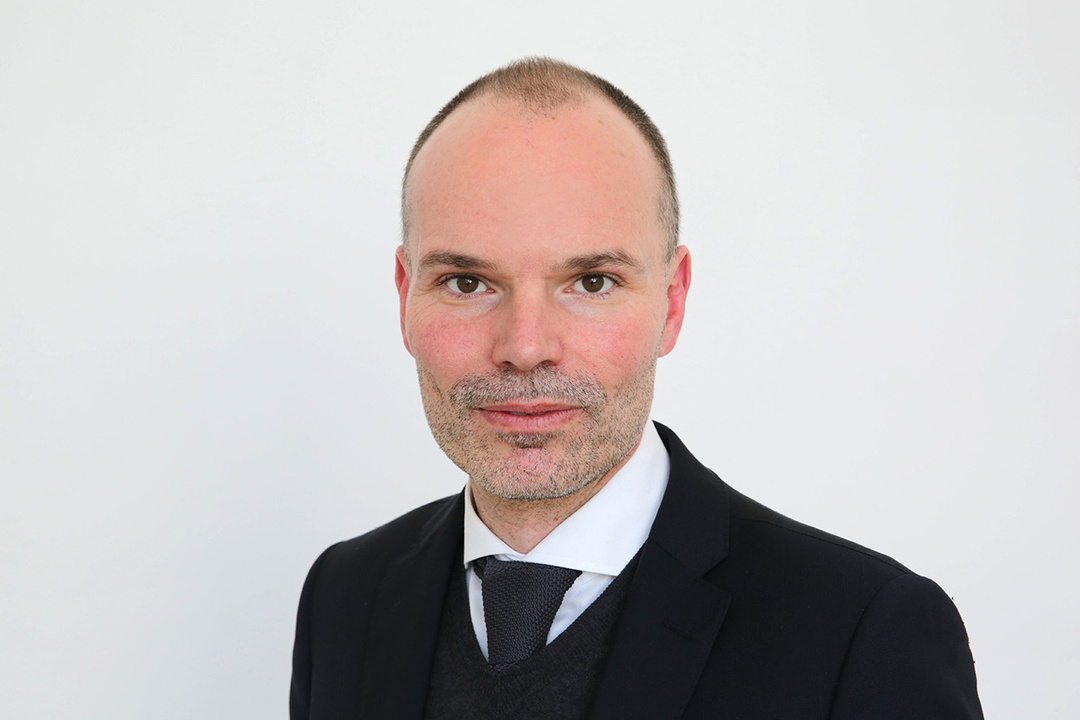
Professor Peter Gorschlüter, born in Mainz in 1974, studied Theatre, Film, and Television Studies at the University of Cologne, as well as Art Studies and Media Theory at the Karlsruhe University of Arts and Design. He worked as a research associate and curator at the Kunsthalle Düsseldorf, headed the Collections and Exhibitions department at Tate Liverpool, and co-curated the Liverpool Biennial in 2010. He subsequently became Deputy Director of the MMK Museum für Moderne Kunst in Frankfurt am Main. Since 2018, he has served as Director of the Museum Folkwang in Essen.
Portrait: Museum Folkwang / Jens Nober