
In Motion
Traces
Ana Mendieta’s Art at London’s Tate Modern
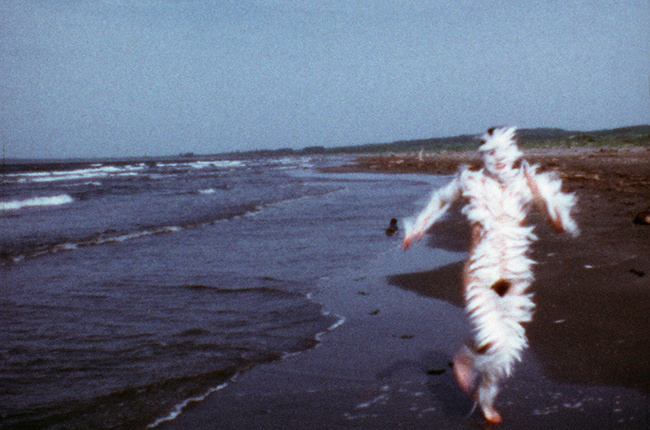
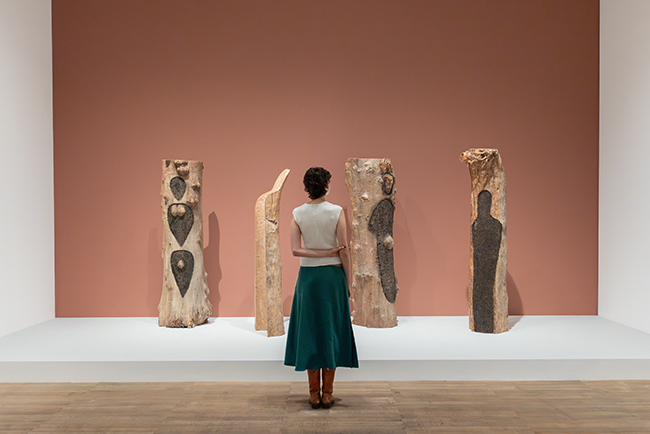
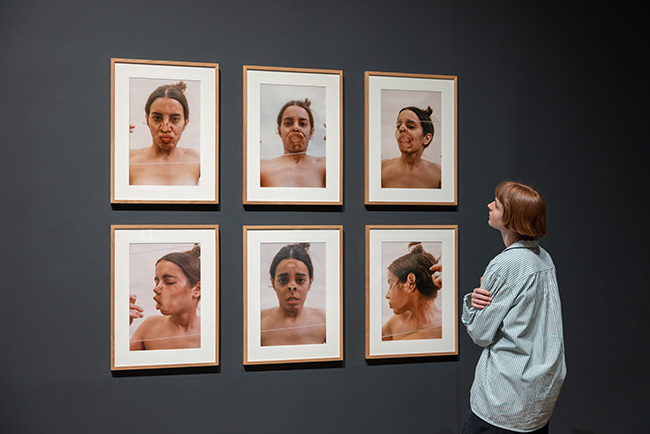
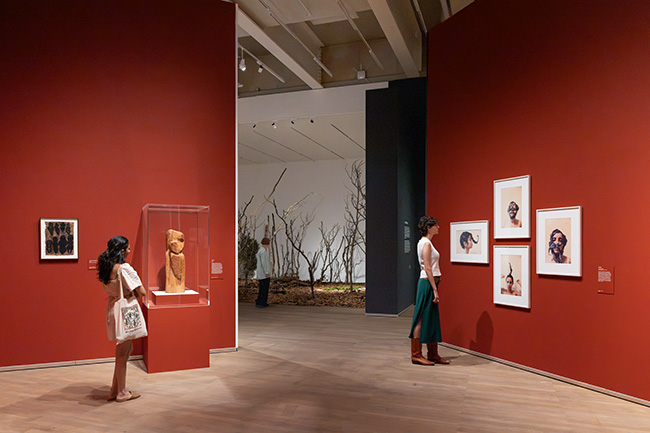
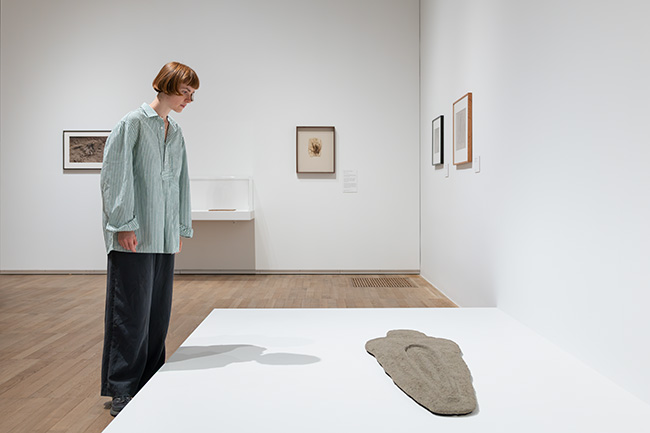
Ana Mendieta’s art rarely treats the self as something stable. It presses into surfaces and slips through landscape. A mark is left behind. At Tate Modern, that restless physicality seems far more urgent than any effort to fit her into a category. The exhibition gathers more than 150 items and is Britain’s first major survey devoted to the Cuban American artist in over a decade. Rather than follow chronology, its rooms are organised by symbolic settings and states of change. Newly remastered footage sits beside restaged environments. Photographs register fleeting acts that once took place outdoors. This structure suits an approach built on action. A picture serves as evidence of contact, pressure, heat or erasure.
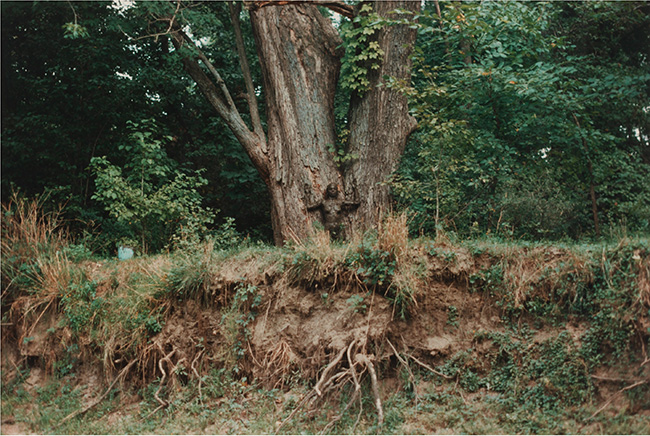
She called many interventions “earth-body” works. Her proportions became a measure while also offering a means to move beyond portraiture. Sometimes she appears directly. Elsewhere she has vanished, replaced by an imprint in ground or a contour exposed to weather. What matters is transformation, not resemblance. A form enters a larger order, then surrenders to conditions outside personal control. For dance, this opens a compelling question. How can presence endure after the performer has left? An unseen source takes shape through sensory signs: ash on a ledge, a hollow in soil, fading light or a veil of smoke. Absence here acquires a palpable rhythm.
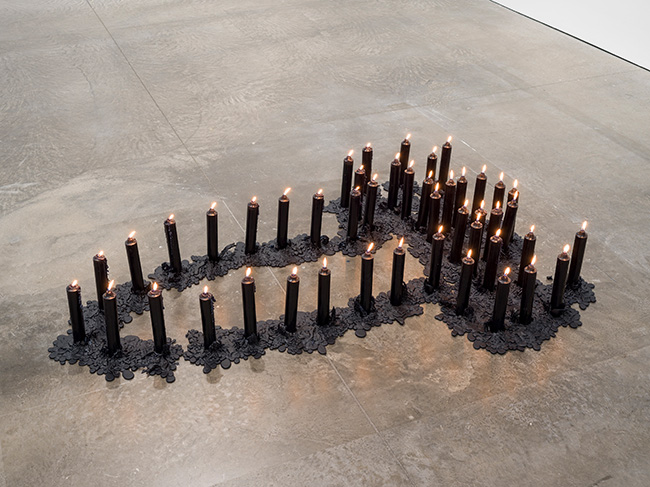
This is especially clear in Ñañigo Burial, first made for a New York show in 1976 and now reactivated in London. Forty-seven black candles are arranged on the floor according to her frame, both arms raised. Once lit, they slowly collapse into wax. The solid boundary alters before our eyes until a molten trace survives as residue. The museum will repeat the burning regularly in step with lunar cycles. I find it powerful that this version accepts instability instead of freezing a gesture into an object. Duration turns material. Looking shifts into witnessing.
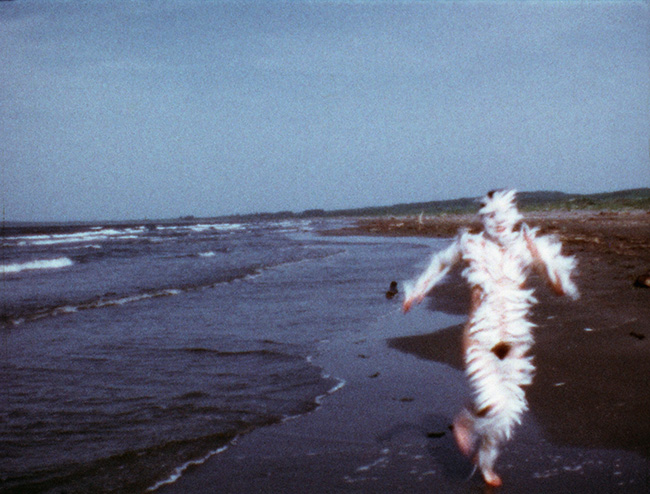
An equally intense encounter comes from Anima, Silueta de Cohetes (Firework Piece), a silent Super 8 film shot during the same year in Oaxaca, Mexico. She hired a local pyrotechnician to construct an armature based on her outline, then recorded its ignition at sunset. Flames travel around the exterior while a heart is designed to persist until the end, glowing in another colour. The title may evoke the Catholic idea of a lonely soul in purgatory, but the scene refuses a fixed interpretation. It carries a ceremonial quality without becoming an illustration of belief.
Seen today, the sequence is startling because she is nowhere visible yet completely present. Her silhouette reads as choreography through combustion, while time supplies the closing movement. Across the display, this tension gives the practice its extraordinary charge. Performance emerges not simply as a live occurrence, but as a meeting between human scale and elements that cannot be held. The strongest moments do not preserve history. They let us sense it continuing.
On view at Tate Modern through 17 January 2027;
www.tate.org.uk/visit/tate-modern