Content

Warm-Up

Pretty Fly

How Jamel Shabazz captured the spirit of 1980s Brooklyn

by Marc Staudacher

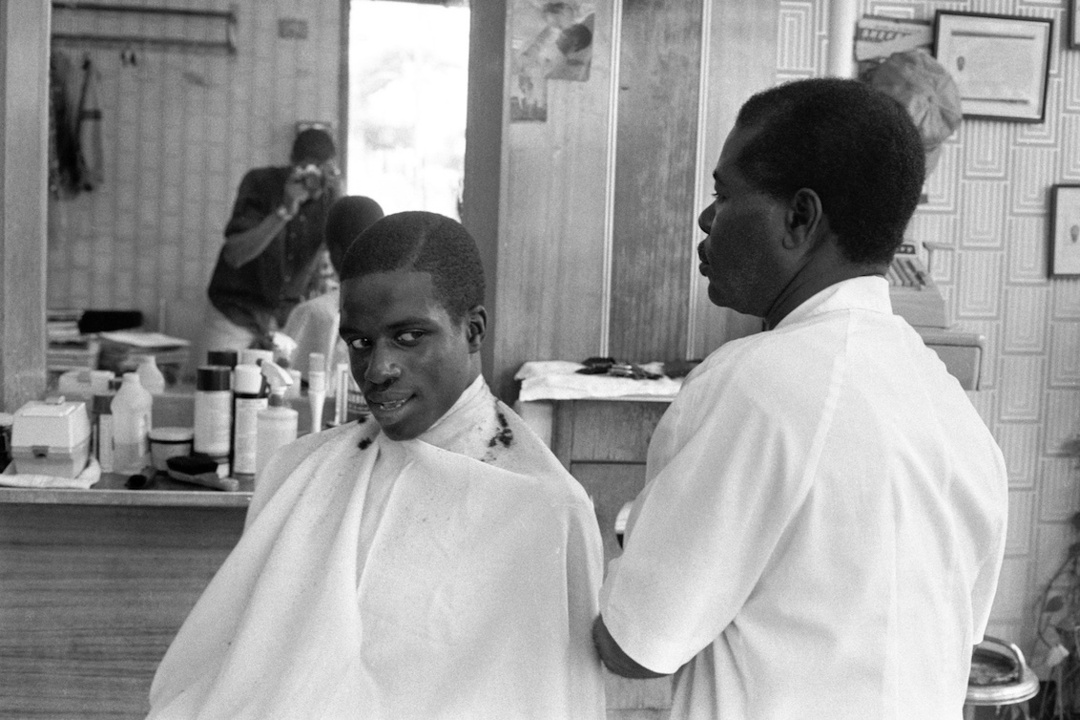
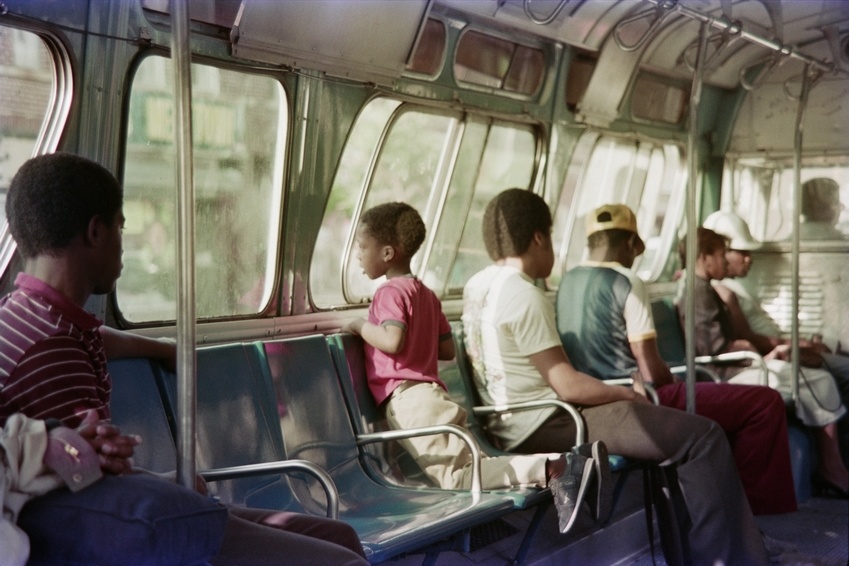
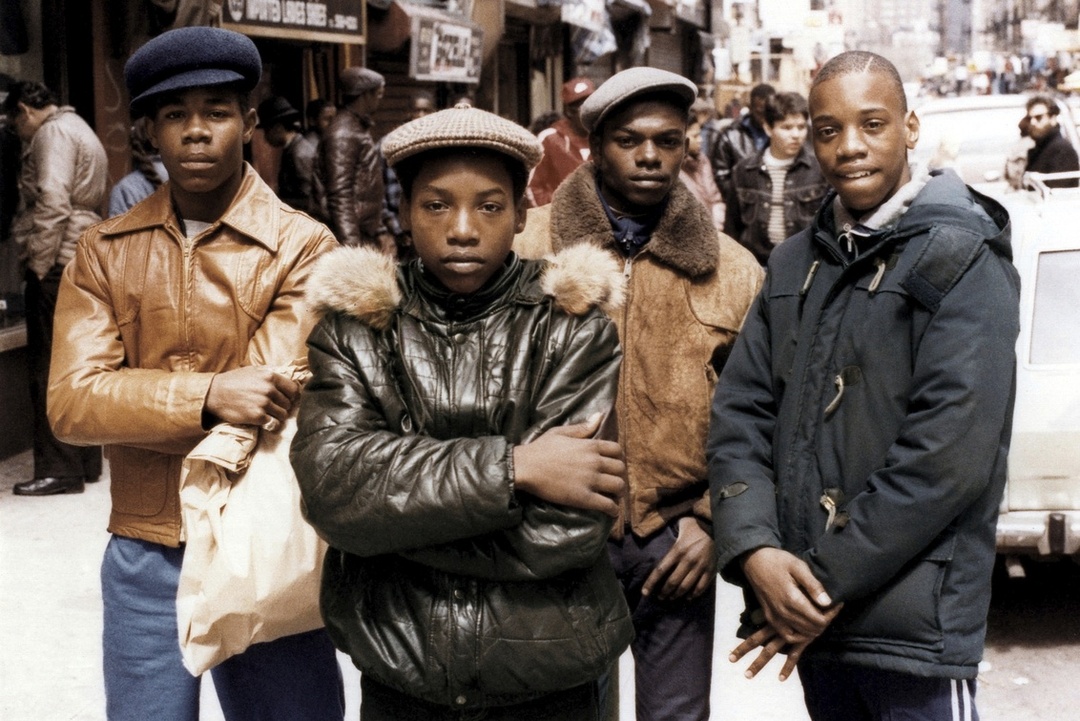
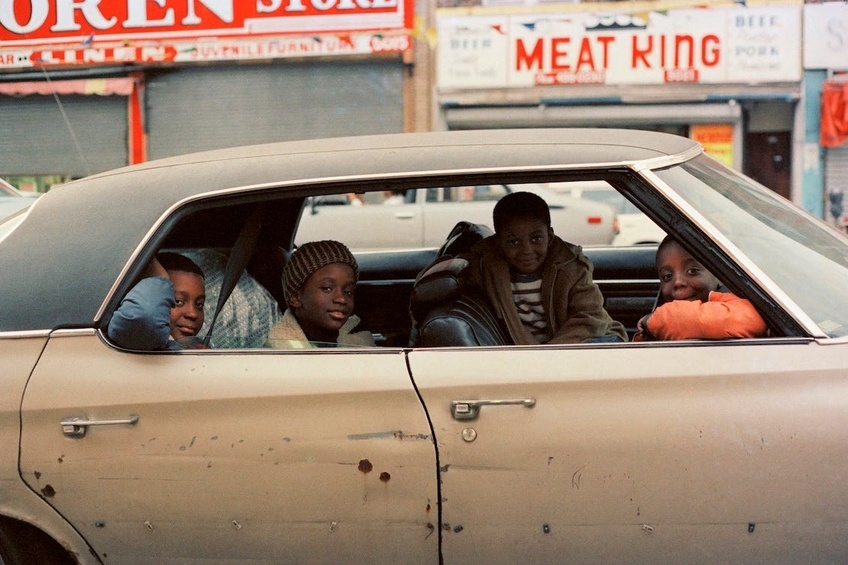
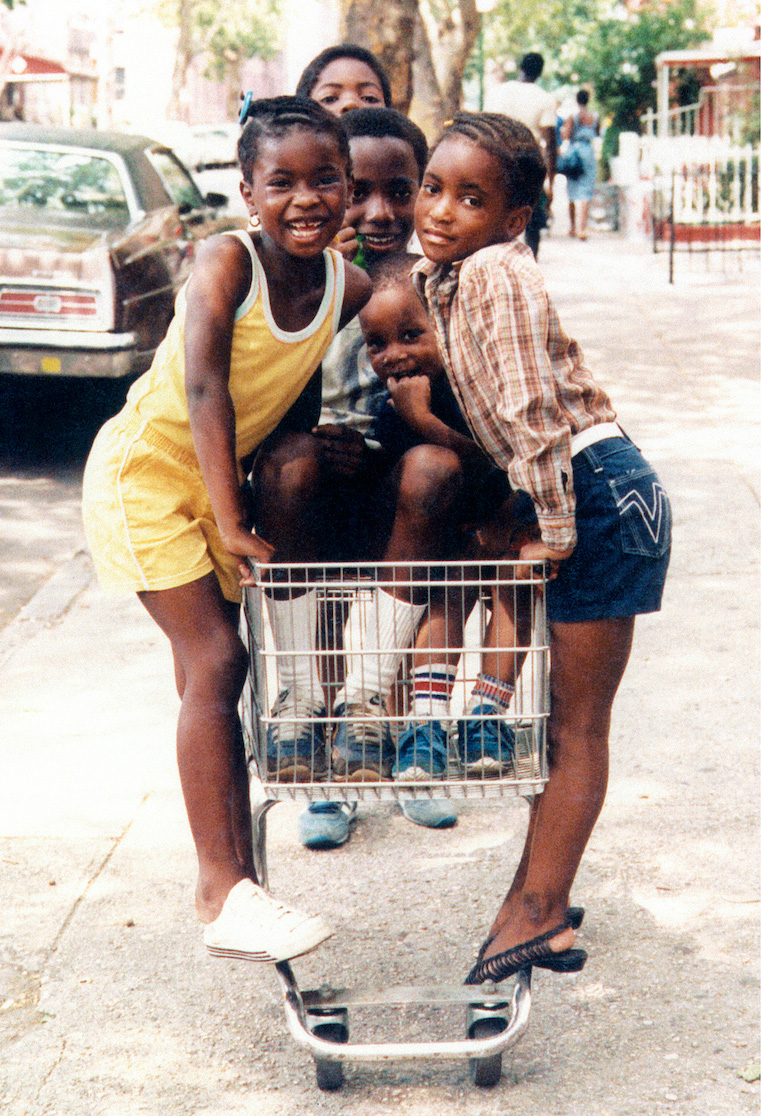
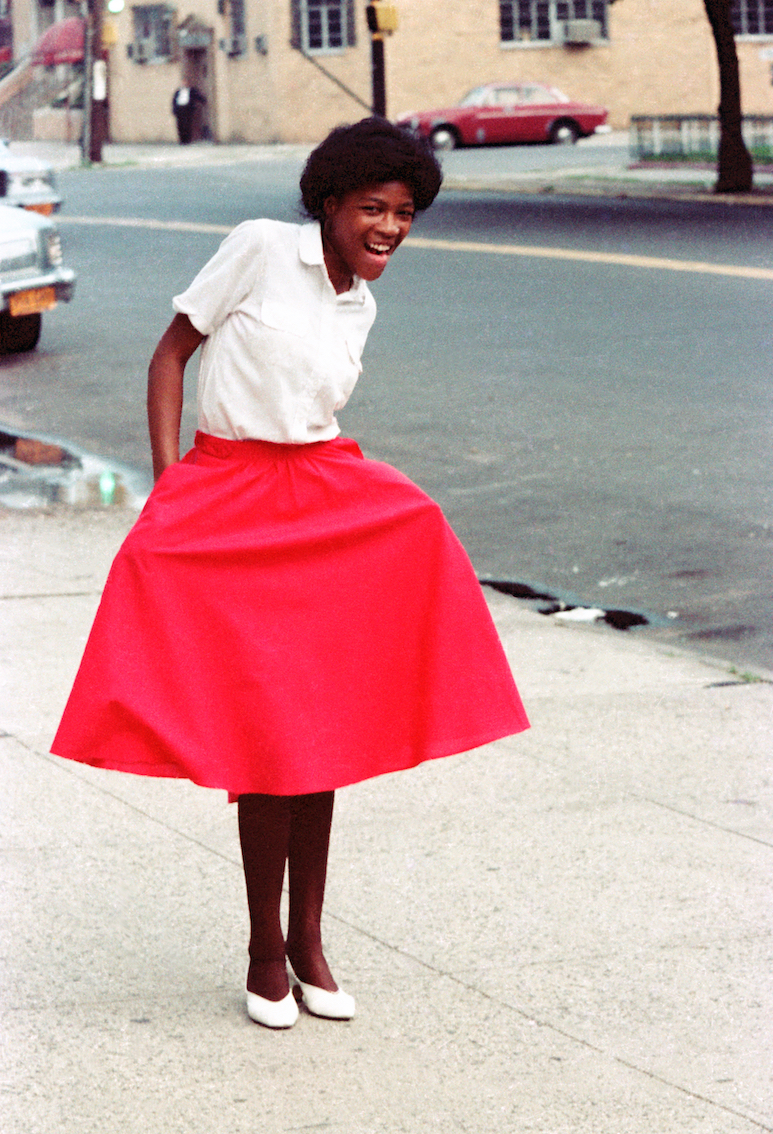
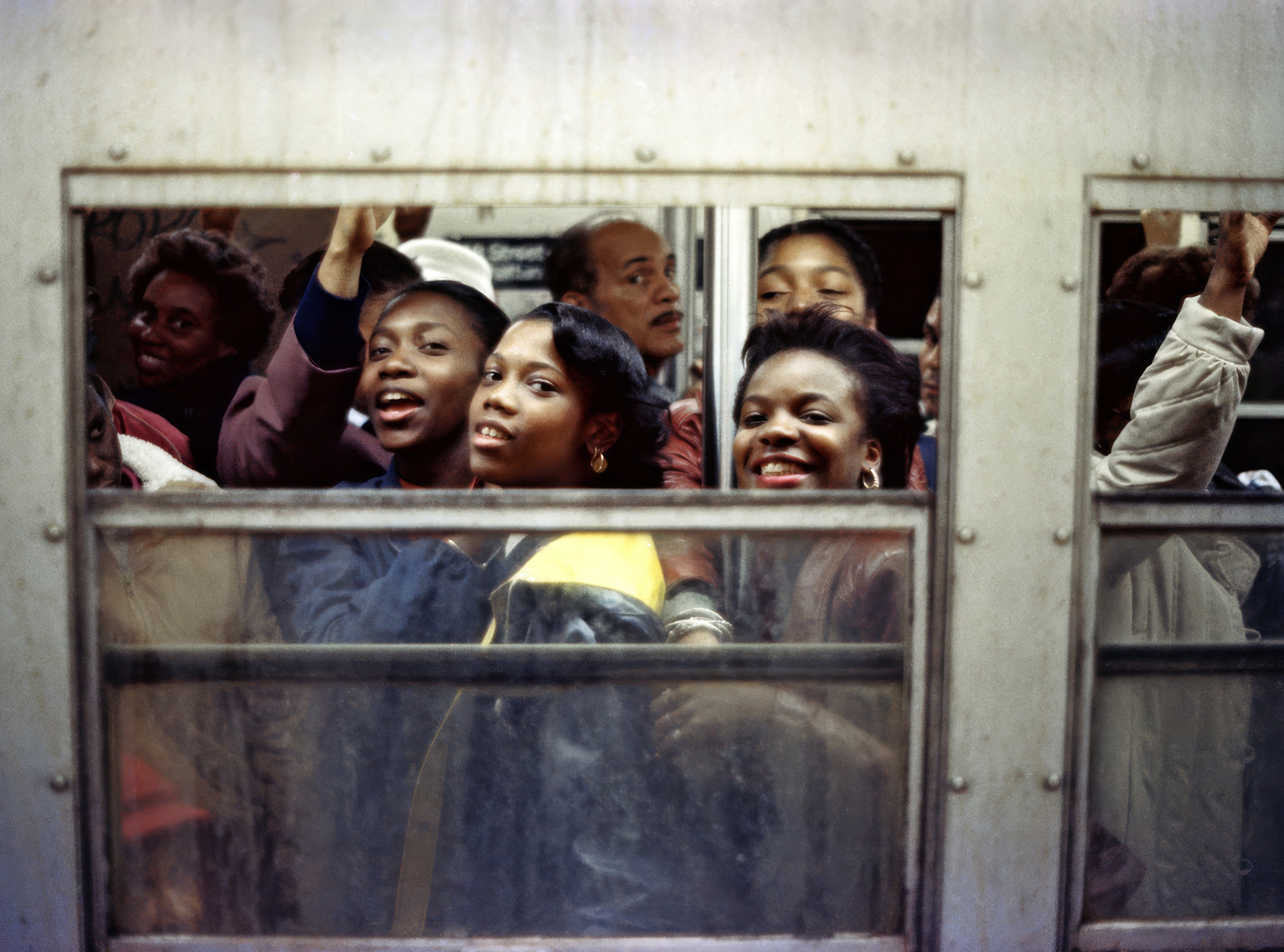
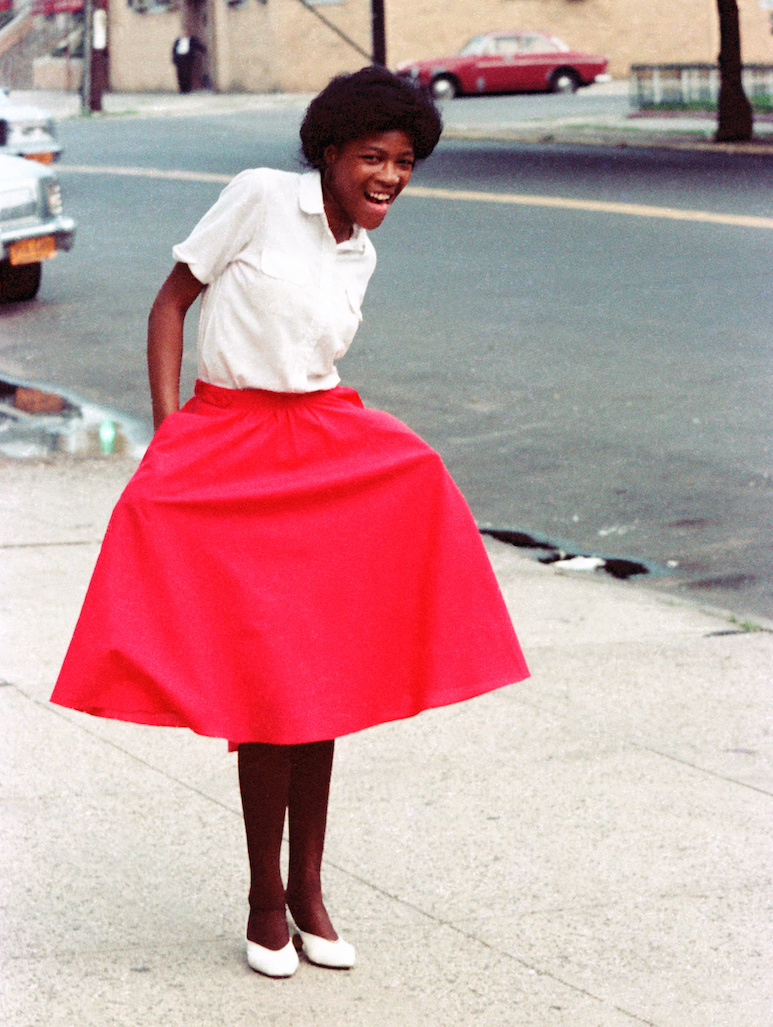
Brooklyn, New York, 1980: Young photographer Jamel Shabazz begins taking pictures for a series that will become one of his best-known bodies of work. In the Flatbush neighborhood, he photographs young people who—like the Fly Girl on our cover—confidently strike a pose. He also captures children playing in the street. A recurring prop: the discarded shopping cart into which the kids squeeze themselves.

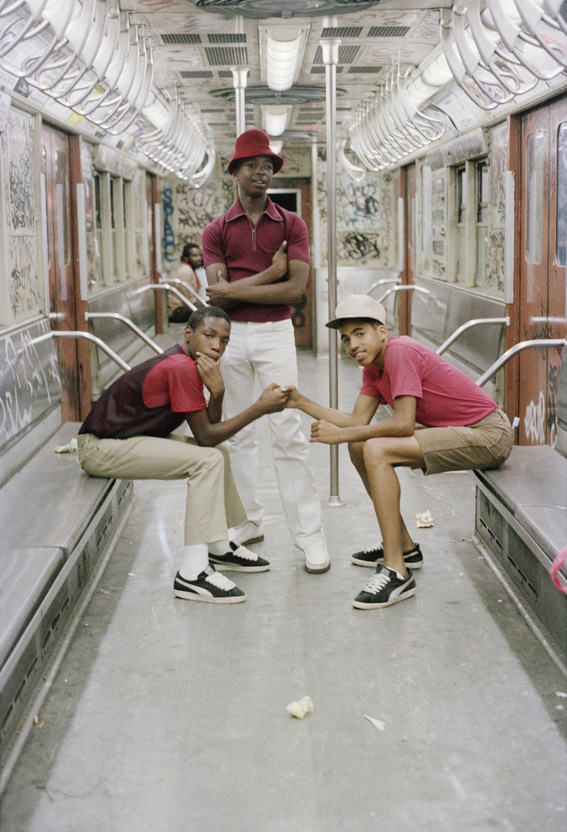
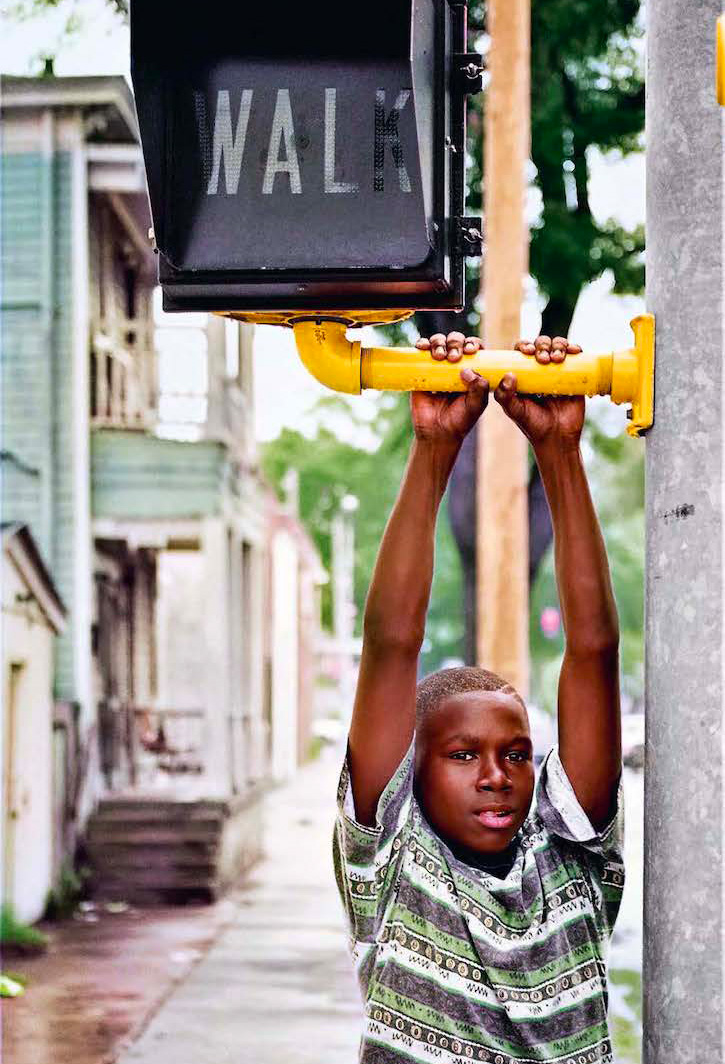
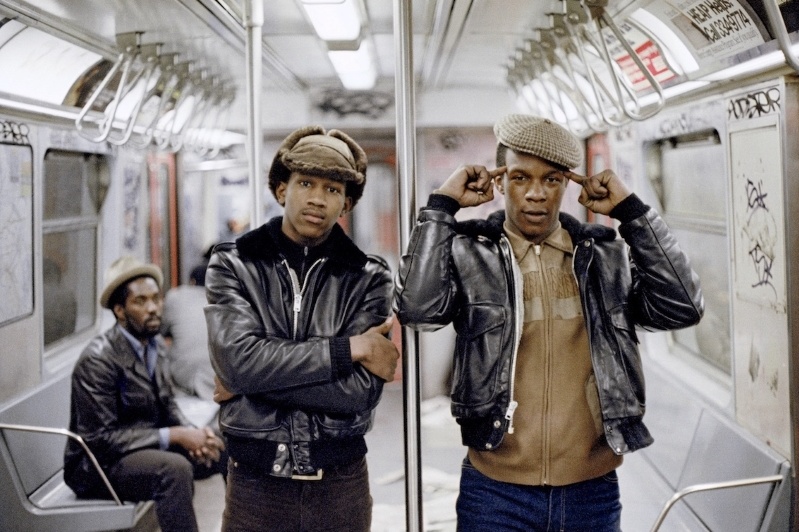
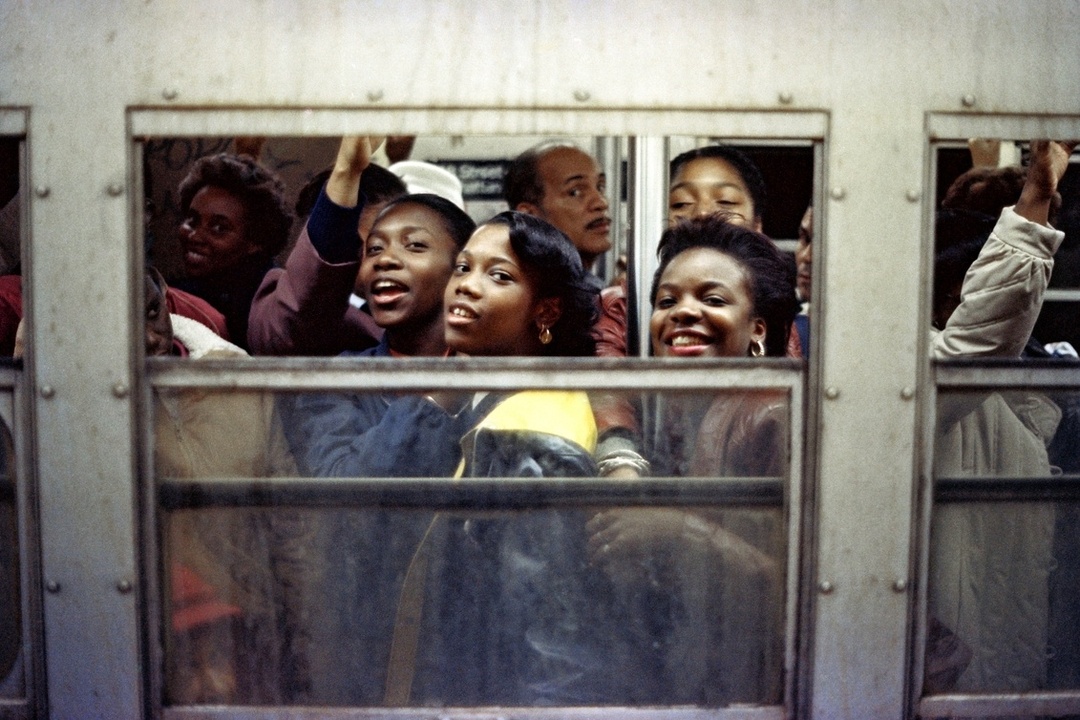
Shabazz, himself a native of Brooklyn, called the series A Time of Innocence, referring to an era that was palpably drawing to a close. Having just returned from Germany—where he had been stationed as a US Army soldier—Shabazz found his hometown to be, in his own words, a "warzone where a lot of young people were dying at the hands of other young people." A plight he felt he needed to react to artistically: with a counter-narrative to war, poverty, violence, and the era’s prevailing media narratives about Black neighborhoods. "What I look for is love and joy, because as an artist I have a responsibility to be a light," he said. The people Shabazz photographed reflect this light. They usually look directly into the camera, feeling they can present themselves as they wish to be seen.
By the way: Exactly a decade after the A Time of Innocence series was created, the “Fly Girl” experienced a spectacular dance hype on television. Just take a look at the “Fly Girls” compilations on YouTube featuring early hip-hop choreography from the iconic TV comedy series In Living Color which aired in the US from 1990 to 1994. The show’s effortlessly diverse and flashy in-house dance troupe consisted primarily of Black female dancers whose edgy routines followed the opening sequence, introduced commercial breaks and accompanied the closing credits. Expressing sentiments like “I wanted to be a Fly Girl so bad!”, the numerous comments beneath these videos illustrate just how popular these dancers were at the time.

A Time of Innocence: These are—then as now—unabashedly nostalgic images. And yet, today they are far removed from any self-indulgent idealization of the past. They express criticism and articulate a longing, bringing home to us the fact that there is something sorely lacking in our present culture. When asked what he misses most about the 1980s, Jamel Shabazz once replied: “I miss the love. Love was ever-present.”

For the first time, Jamel Shabazz’s black-and-white and color photographs are being exhibited in Germany: in Braunschweig until 13 September, and subsequently in Nuremberg from 24 October to 17 January;

www.photomuseum.de
www.kunstkulturquartier.de