
In Practice
Miscellaneous
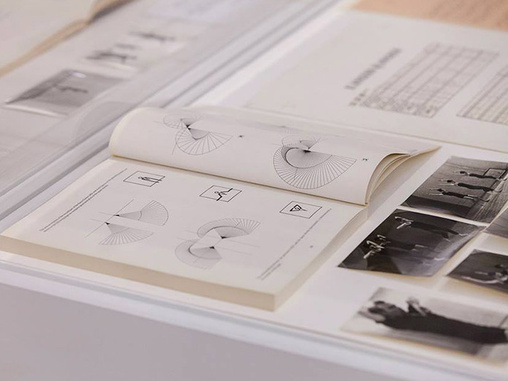
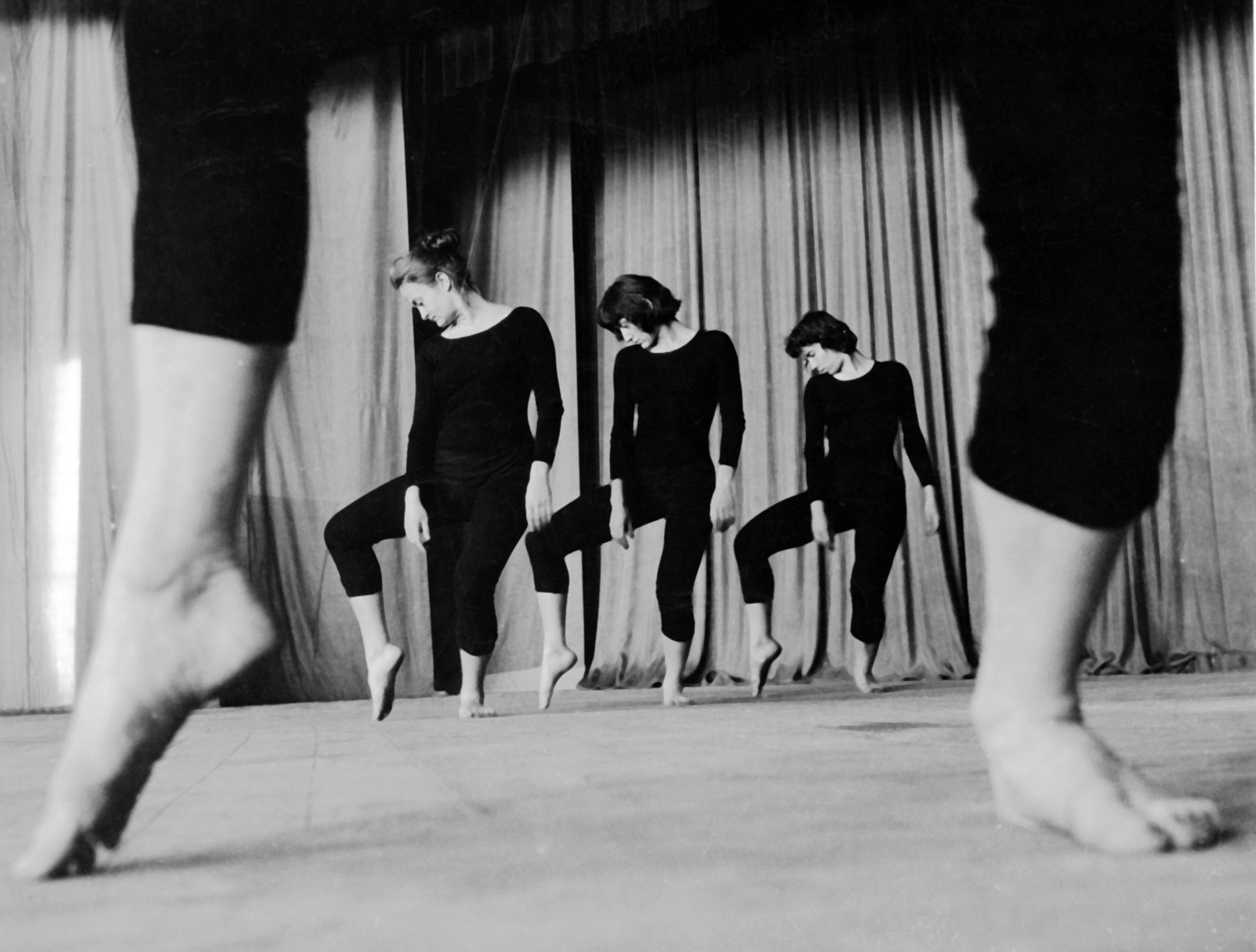
Angles & Angels, Suite by Noa Eshkol, 1990; photo and background: Noa Eshkol Foundation
Dance Heritage
DanceMap
It is intended to be a research initiative for a strategy to preserve and promote dance: The major project "DanceMap", launched last January under the direction of the Berlin cultural label Bureau Ritter, aims to explore Europe (and beyond) over three years and — well, what exactly? Four million euros are available from the EU funding project "Horizon" to develop an overview of dance in the 20th and 21st centuries with 16 partners — research centers, universities, dance archives, and cultural organizations from ten countries. This is ambitious. Bureau Ritter director Madeline Ritter is aware of this and calls the plan "Mapping the Unseen": "We want to create access to dance heritage and make dance visible."
Project leader Lisa Marie Bowler: "We want to record what's there." Existing archives and their work are also part of the project: domestic partners include the Deutsches Tanzarchiv Köln and the "Motion Bank" at Hochschule Mainz University of Applied Sciences. But also the classic private collection “in the cardboard box in the living room at home” is to be made visible. Likewise, the knowledge stored in the bodies of dancers. "DanceMap" sees itself as a connecting tool for existing research work. Therefore, the official statement is: "The project combines academic research with artistic practice, educational work, data science, and cultural policy." All of this is still in its early stages; the extent to which an actual "map," an interactive digital platform capable of depicting dance in Europe, can be developed remains to be seen. Anyone familiar with the lack of borders or boundaries of dance has an inkling of the challenges.
Rico Stehfest

Photos: Ballerina Elisa Carrillo by Carlos Quezada, Mikhail Kaniskin by Enrico Nawrath
Change of Management
John Cranko Schule
When Tadeusz Matacz retires as director of the Stuttgart John Cranko Schule at the end of 2025 (he will be 68 at that point), he will be succeeded by former Berlin ballerina Elisa Carrillo Cabrera, with her husband Mikhail Kaniskin as her deputy. Both began their careers at the Stuttgart Ballet, where she rose to soloist and he to principal soloist, before Vladimir Malakhov brought them both to the Berlin State Ballet. Trained in England, Carrillo Cabrera is currently co-director of the national company of her native Mexico. Kaniskin, a dancer with flawless Russian technique, organizes galas and teaches. Both completed pedagogical training in Stuttgart. Born in Poland, Tadeusz Matacz has been director of the Stuttgart Ballet Academy for 27 years, half the time since its founding by John Cranko. Matacz also led the institution through its new construction phase and is the longest-serving director in the leadership team of major international academies. Around two thirds of the Stuttgart Ballet come from his own school, including numerous principal dancers. Other graduates have achieved success from St. Petersburg to New York.
Angela Reinhardt
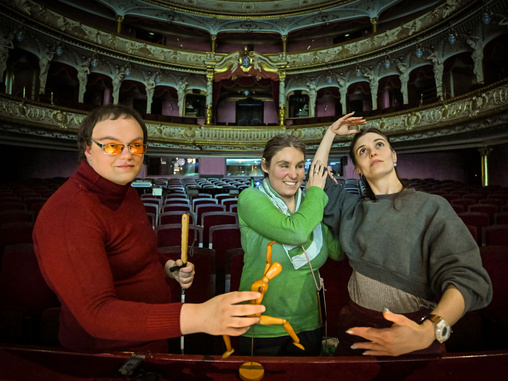
Photo: Andreas Etter
Accessible
Audio Description in Dance
Without words, dance can be understood all over the world — those with eyes to see will understand. This universal advantage of artistic body language reaches its limits when the audience is visually impaired or even blind. The Tanzplattform Rhein-Main is currently attempting to overcome this sensory barrier in a qualification program. Following scattered individual offerings, the goal is to create a regional network for audio description in dance for the first time in Germany. In the fall of 2024, the Hessisches Staatsballett and Künstler*innenhaus Mousonturm began training nine specialists who describe what is happening on stage live via headphones, allowing the stage action to take shape in the mind's eye. The six-piece production Chronicles served as a prime example. The newly formed team of nine, made up of visually impaired and sighted dancers, each tackled two of the distinctly different works in three groups. The goal at Hessisches Staatstheater Wiesbaden is to "develop language images that perfectly match the movement language, the dramaturgy, and the rhythm of the music." Those taking advantage of this offer can take a tactile tour beforehand, walking around the stage, and feeling the fabrics and props. The audio description team accompanied the productions during their development. For blind dance instructor Dana Lienert, who had no previous contact with ballet, it was "a broadening of horizons to learn that people express themselves through movement, even while lying down and rolling." Mella Hambrecht, a blind author and co-director of the project, describes an awakening experience for blind people who had previously had no concept of the art of dance — and what a body can do. "It's not just about showing what's happening on stage. We try to empower." Ideally, the audio description should encourage visually impaired people to enjoy more of their own movement beyond the theater experience. Or, as Hambrecht puts it: "Go out and do it!"
Stefan Benz
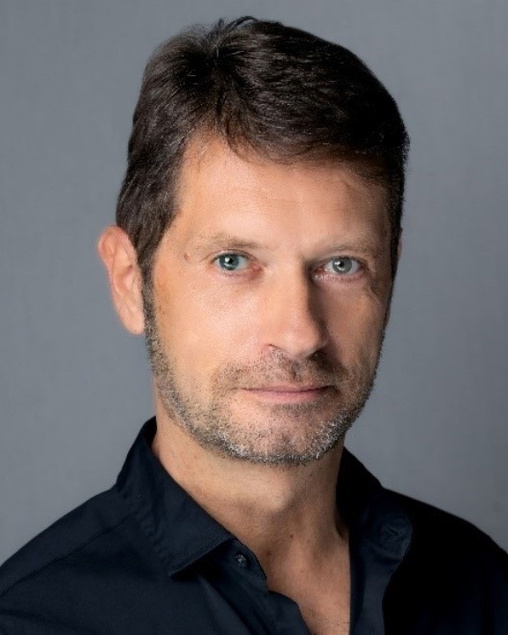
Photo: private
New Management
Ballet Academy of the Vienna State Opera
A change in leadership is looming in Vienna: When Alessandra Ferri succeeds Martin Schläpfer for the new season, the Ballet Academy, too, will have a new director. Ferri's choice fell on Patrick Armand whom she recruited from the same position in San Francisco. Trained in Marseille, Armand won the Prix de Lausanne in 1980 and perfected his skills in New York and Cannes. He was a member of the predecessor company of the English National Ballet, joining the Boston Ballet in 1990. He taught at renowned companies and schools such as the Royal Ballet London, the National Ballet of Canada, and La Scala before moving to San Francisco and taking over as director of the school there in 2017.
Dorion Weickmann