What criteria do you apply?
My method focuses on the following parameters: the plasticity and quality of the stage design, the frequency of innovative techniques and classical elements, the recognizability of the plot, the synthesis of classical and postmodern elements, the aesthetics of the dance, and the level of musical and dance expression. The criteria thus relate to symbolism, body language, postmodern influence, stage design, and dance and musical expression. Each criterion is assessed quantitatively and qualitatively after reviewing the data base — the recorded performance. 1 to 3 points represent a low level, 4 to 6 points a medium level, and 7 to 10 points a high level.
What did your study reveal?
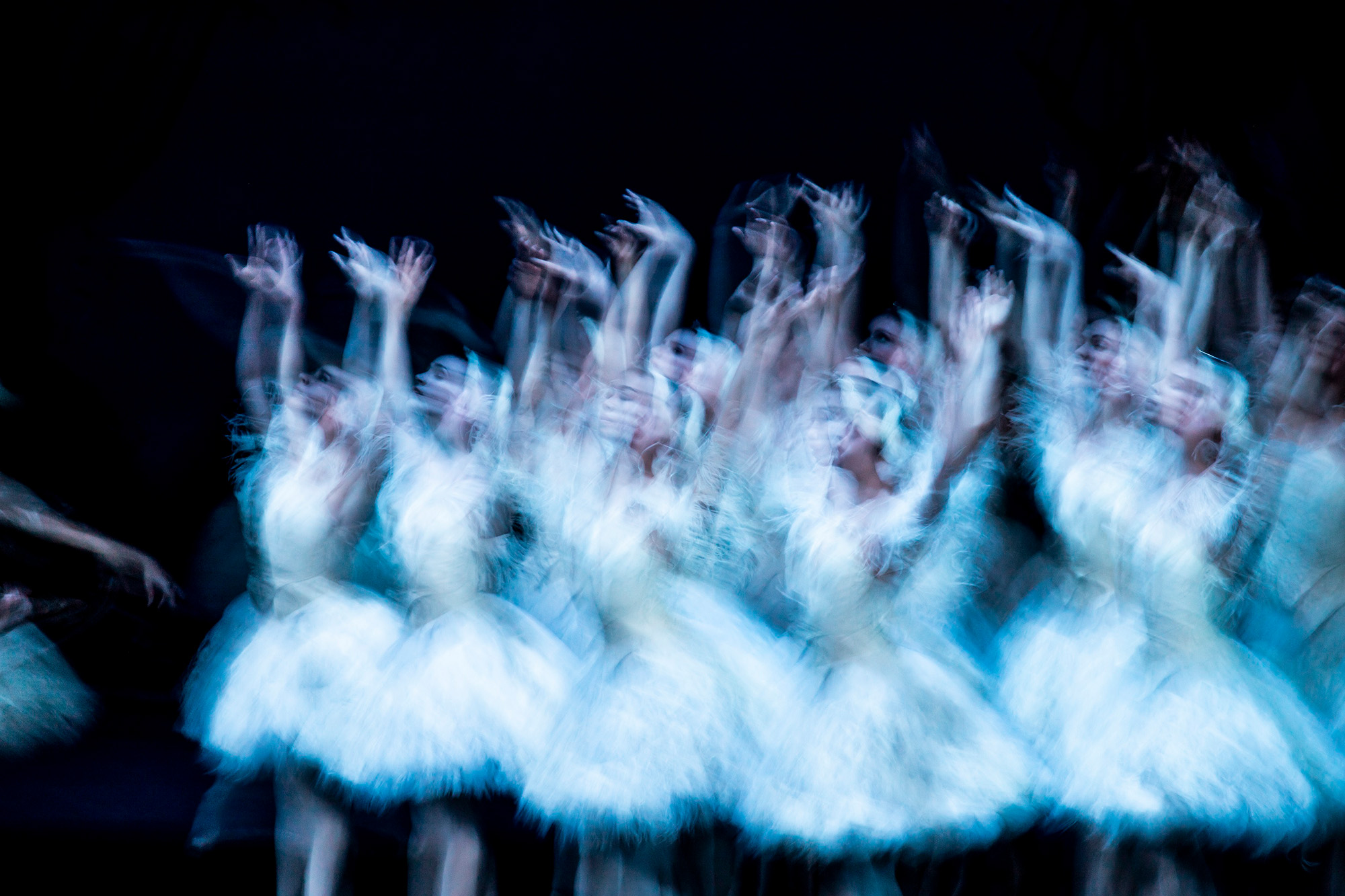
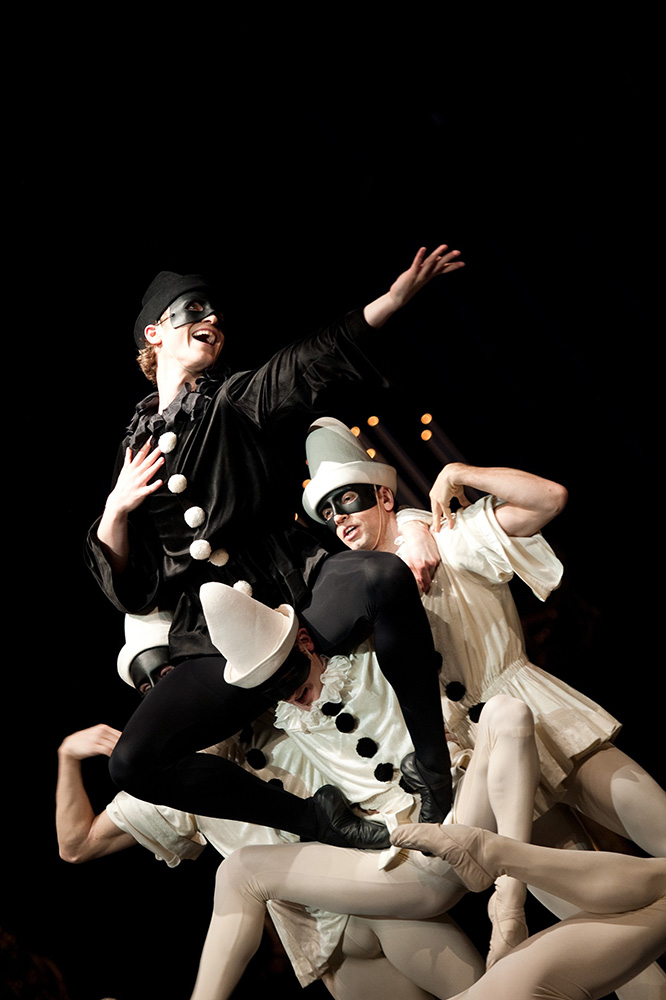
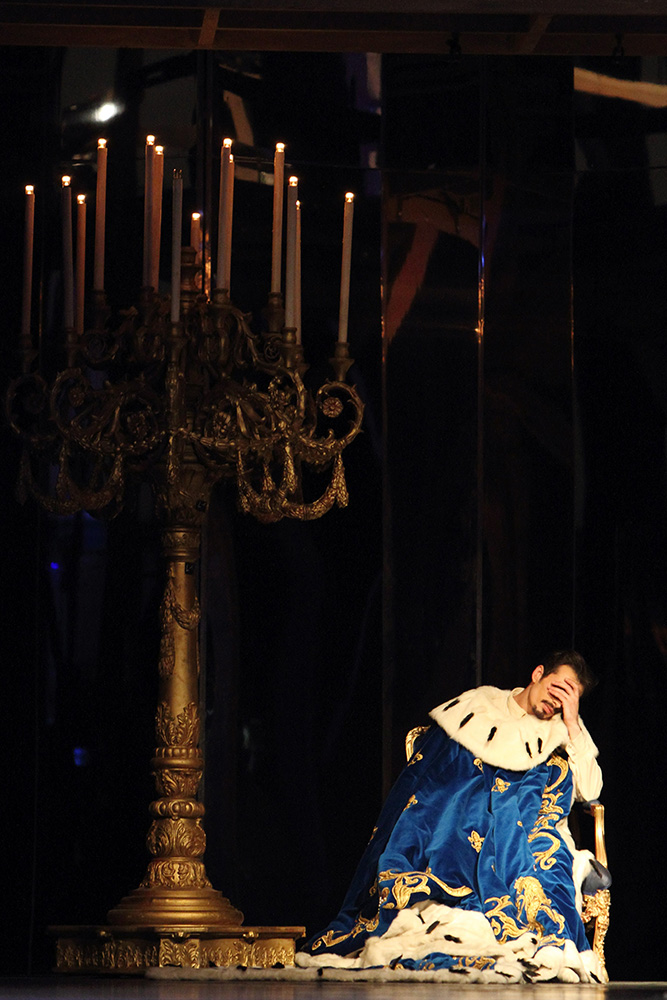
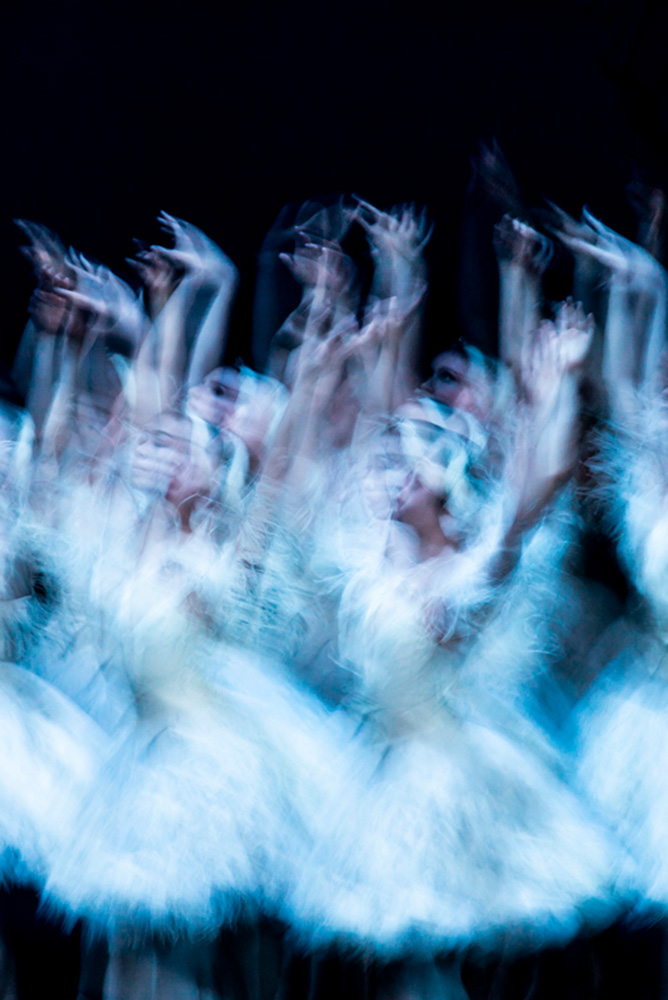
You can clearly see the different approaches and emphasis; here are just a few examples: Matthew Bourne's production with an all-male cast is characterized by its emphasis on gender themes and memorable, non-traditional male roles; Frederik Rydman relocated the action to the red-light district and turned it into a street dance spectacle — largely rewriting the original; Alexander Ekman's version for the Norwegian National Ballet waters the stage and places more emphasis on visual impact than plot clarity; in contrast, Graeme Murphy's interpretation for the Australian Ballet — conceived as a love triangle in reference to the fate of Princess Diana — combines classical elements with a modern plot and achieves a high level of recognition; John Neumeier's Illusions – Like Swan Lake with the Hamburg Ballet creatively combines classical choreography and modern psychology, using the example of the Bavarian King Ludwig II; Neumeier ensures both the recognizability of the subject and its aesthetic appeal.
What can we learn from this from the perspective of tradition?
I conclude that today, form often takes precedence over content. In my view, classical ballet per se is going through a crisis phase due to such creative choreographic solutions. The aesthetics are taking on a life of their own in a certain sense. The development of the plot is sometimes chaotic, with female roles being replaced by male performers — this makes the choreography more complicated, but is not always conducive to the quality of the ballet.
Illusions – like Swan Lake, Bayerisches Staatsballett, Munich, Nationaltheater, 24, 28, 30, 31 May; www.staatsoper.de