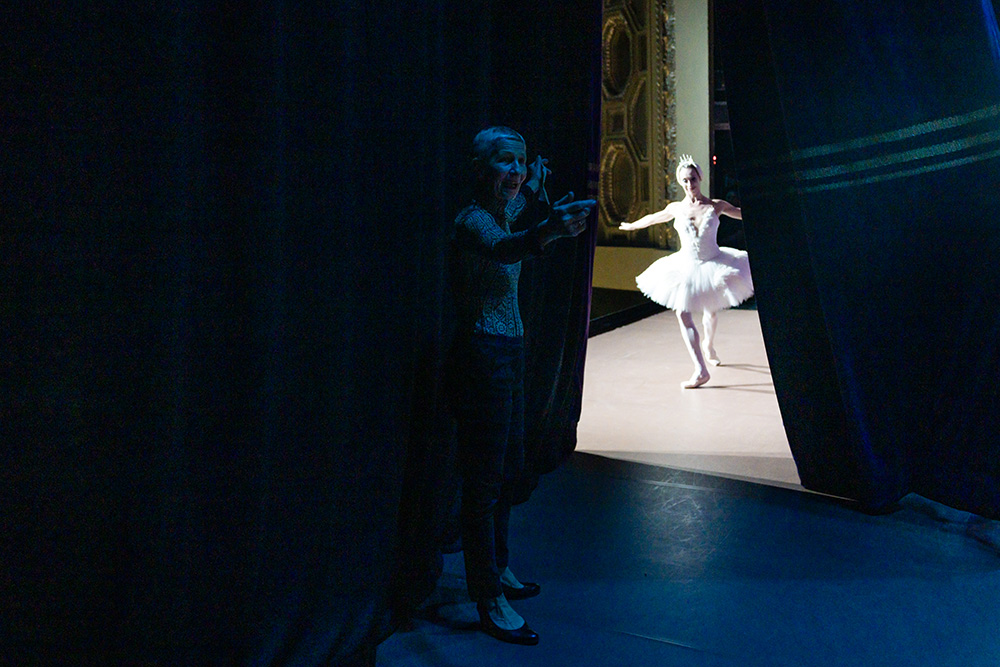

"As you wish," the taciturn young Westley always says to his mistress in the fairytale film Die Braut des Prinzen; we later learn that by this, he's actually saying "I love you" each time. "As is desired," Angelika Bulfinsky frequently says in our conversation, and no one needs to explain that it's out of love for the theater. What we as audiences (or even critics) tend to lose after years of watching, emanates from every sentence of hers: a tremendous respect for the artists and their work. Like all theater people and colleagues behind the scenes, she knows the effort and tension; she knows exactly how much nerves, heart and soul, and years of life go into a new creation or even just a perfectly normal repertoire performance.
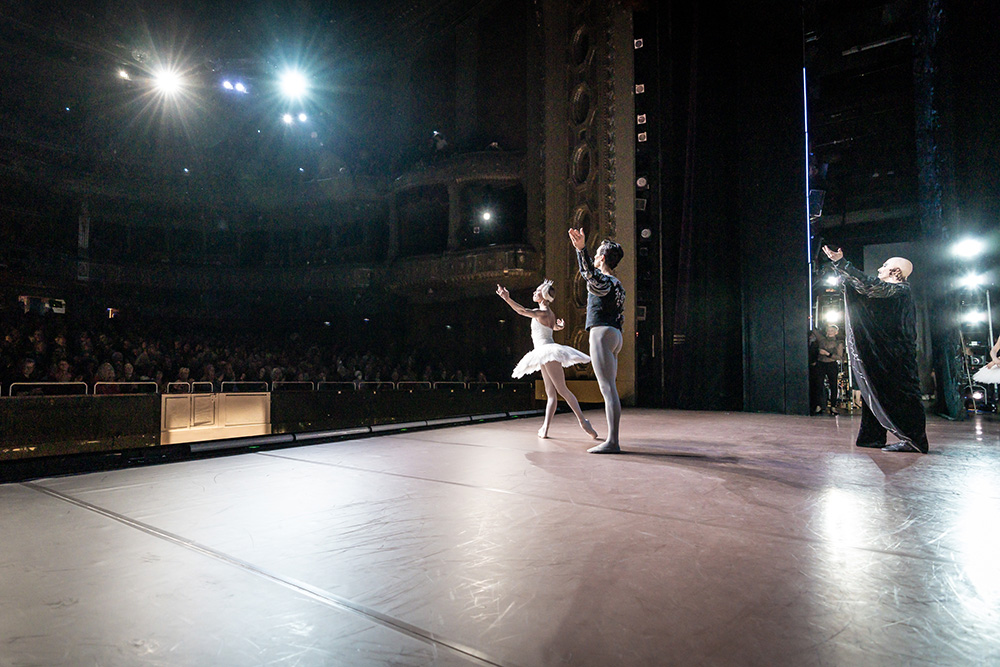
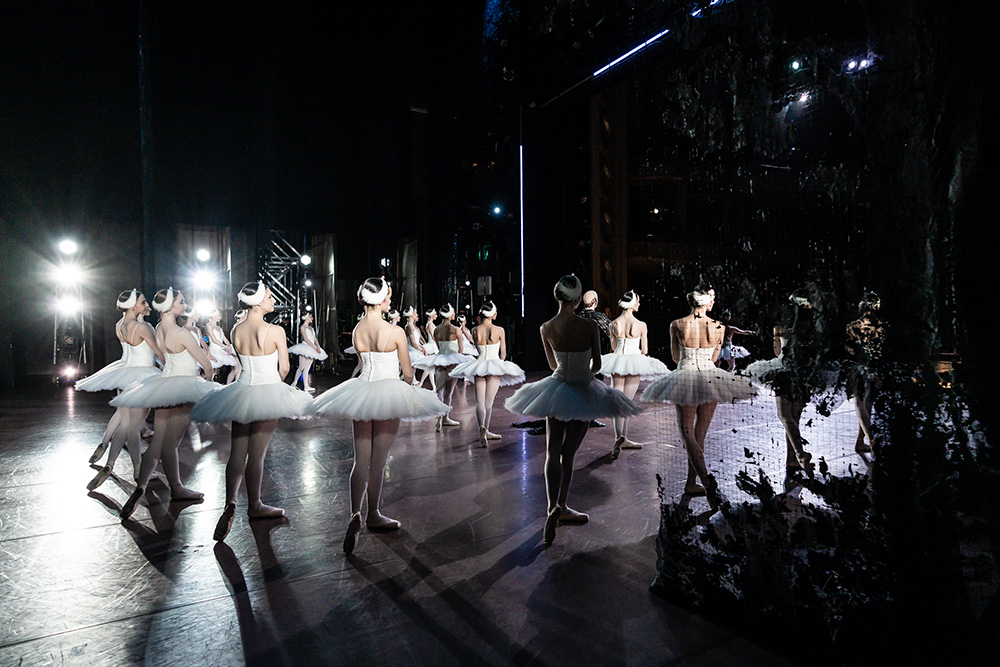
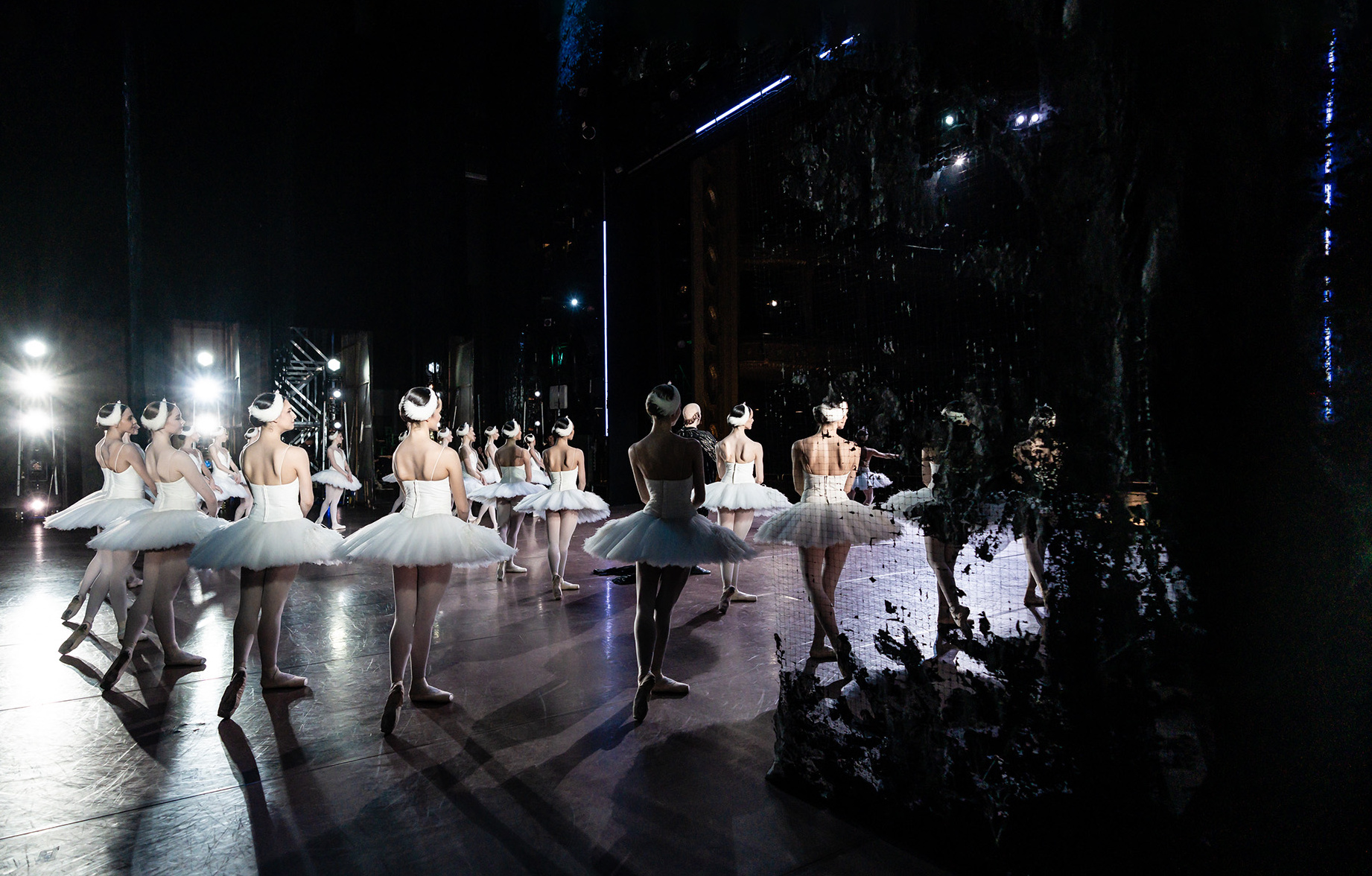
At the Stuttgart Ballet, the former dancer supervises the children dancing, for example in Dornröschen, and she ensures that the extras, such as the stretcher bearers in Romeo und Julia, are where they belong: in the right number and pose, in the right places. She manages up to 50 pupils and extras in some productions; occasionally, she plays a character role herself, and often enough, as she says herself, she's a bit of a "jack of all trades" at performances. She keeps a flashlight or a bandage handy, teaches children to sing when needed in Der Nussknacker, or gives the signal to lower Juliet into her grave: "Someone has to be there and work by sight, to the music." The stage manager can't leave his desk; Bulfinsky supplements him in the side alleys. Above all, the woman with the boyishly short hair ensures the order of applause, which means she directs the bows after each performance.