
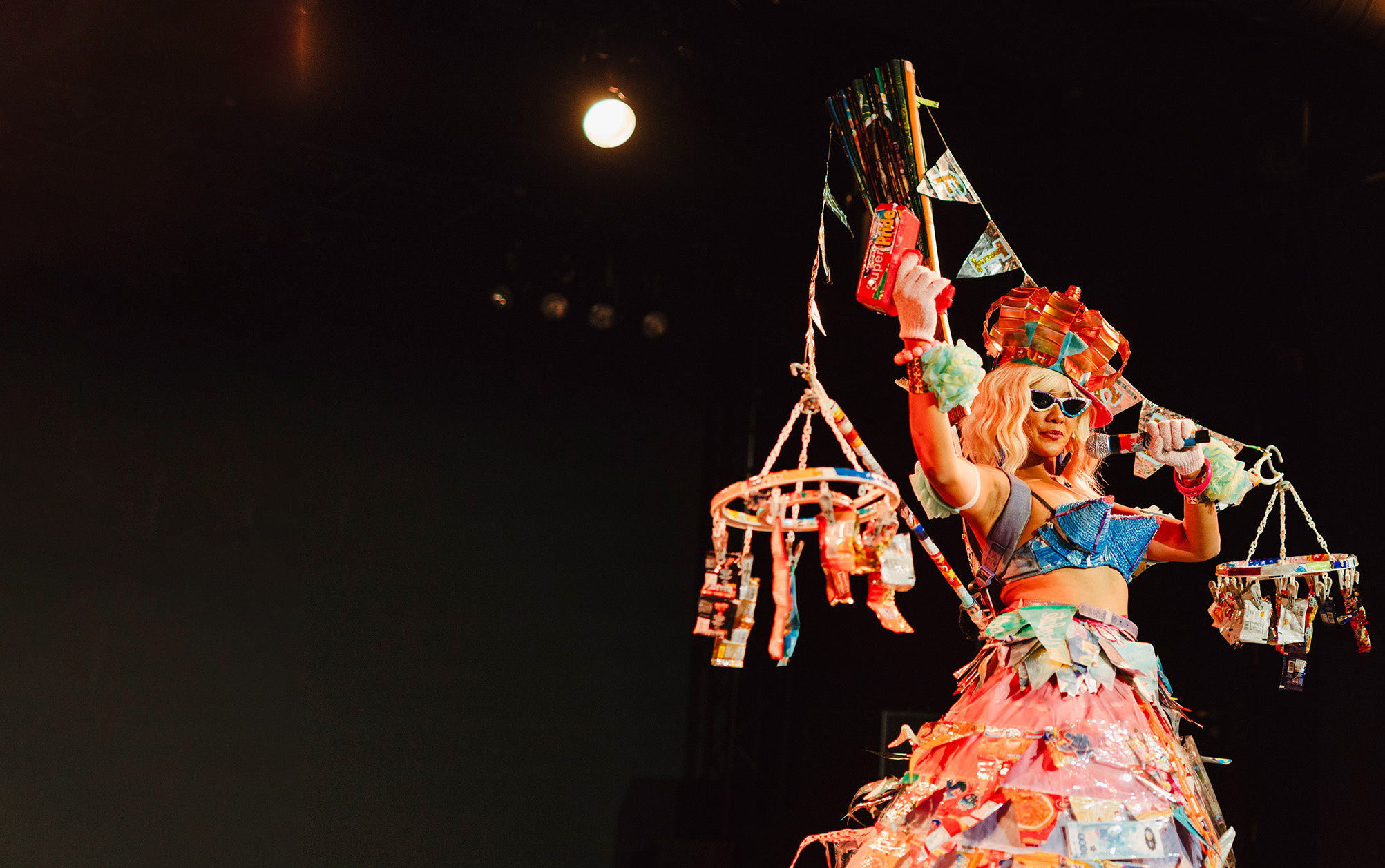
Madonna Louise Ciccone: Born on 16 August 1958; a strict Catholic upbringing, classical ballet training, then a global superstar, currently making headlines with the album Confessions II. Ea Torrado: Born on 16 August 1985; a strict Catholic upbringing, classical ballet training. Not yet a global star, but holding an interesting position in the international dance world. For years, Torrado has been exploring the artistic connection to Ciccone through her constantly evolving piece Brown Madonna—most recently at the Theaterformen festival on the Aquarium stage of the Braunschweig State Theatre, a tiny space filled with sweltering heat—the ideal setting for the Filipino performer and choreographer’s approach to a global pop-culture phenomenon, as the temperature mirrors the arduousness inherent in viewing the glamour of superstar entertainment from a life of poverty. However, the pop star also comes from a humble background and fought her way to the top, enduring great hardship.
Reviews
Quezon City,
on tour
Ea Torrado
Brown Madonna
These hardships are—alongside the coincidences of their biographies—the most striking similarities between Ciccone and Torrado. Ciccone, who worked her way up in the New York disco scene of the eighties and initially supported herself by working as an erotic model, Torrado, who danced her way out of the slums of Quezon City and into international production houses. While Ciccone had to internalize the capitalist work ethic before she could subversively undermine it, Torrado has it easier; her piece has long known where the enemy lies. When she starts selling merchandise right in the middle of the performance, it is clear that we are dealing with an act of exaggeration. That said—recurring funding cuts put pressure on her Daloy Dance Company; Torrado cannot simply operate as an artist but must also handle management duties.
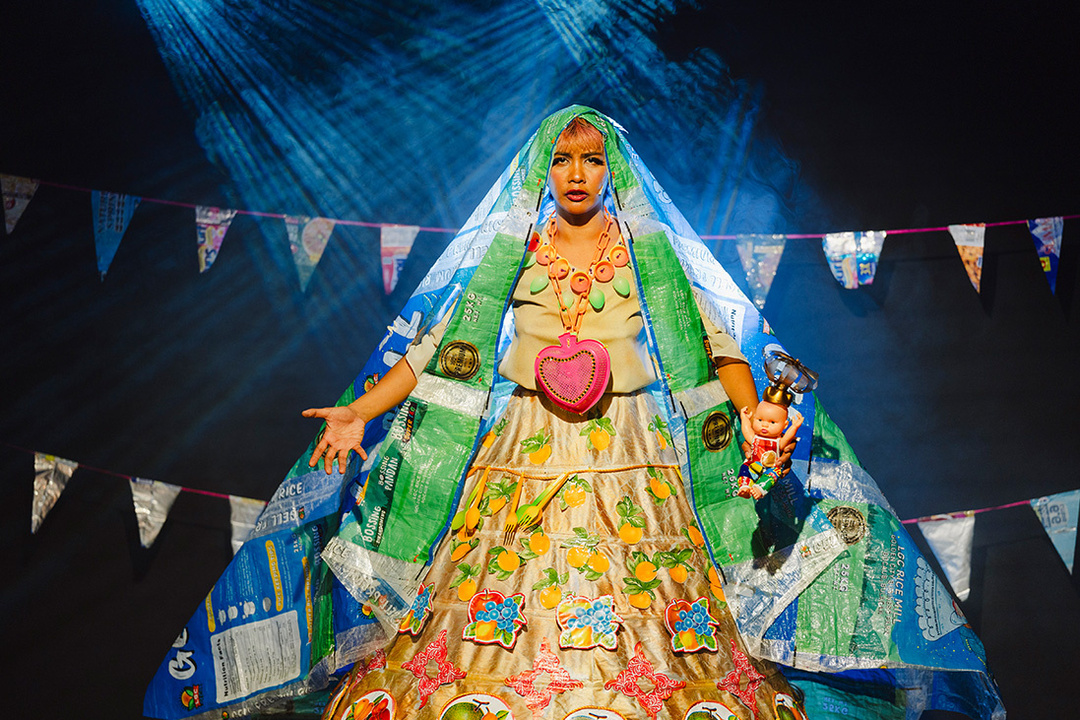
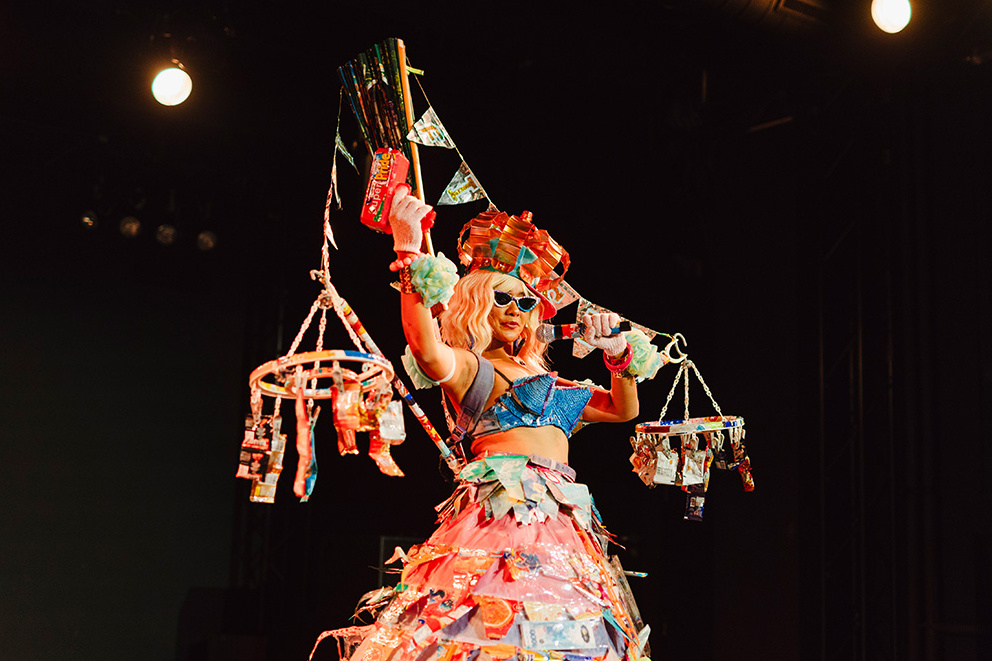
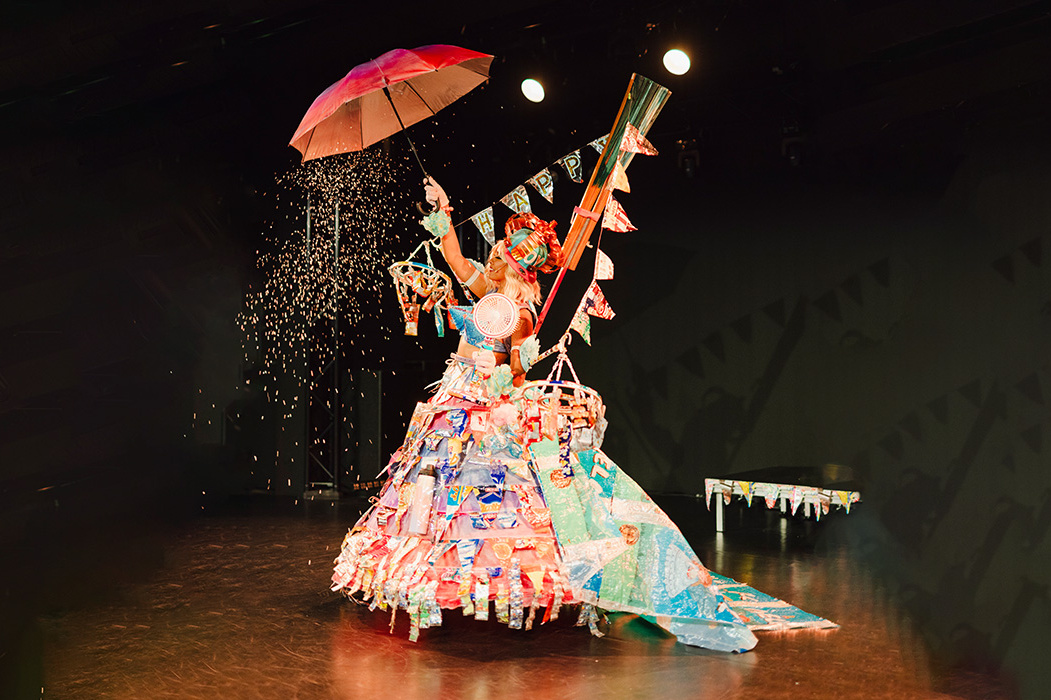
Brown Madonna expands the Madonna triad—"Saint-Whore-Mother"—to include the principle of "self-marketing." Added to this is body optimization—which, in a Philippine society shaped by a colonial legacy of racism, apparently means, above all: skin must not be too dark. Yet skin color is simply what it is; accordingly, the title Brown Madonna is less an act of provocation than one of self-empowerment.Performance is self-protection: "Express yourself, so you can respect yourself."
Philippines, Quezon City, Myra Beltran’s Dance Forum, 15, 16 Aug.;
www.daloydancecompany.net