
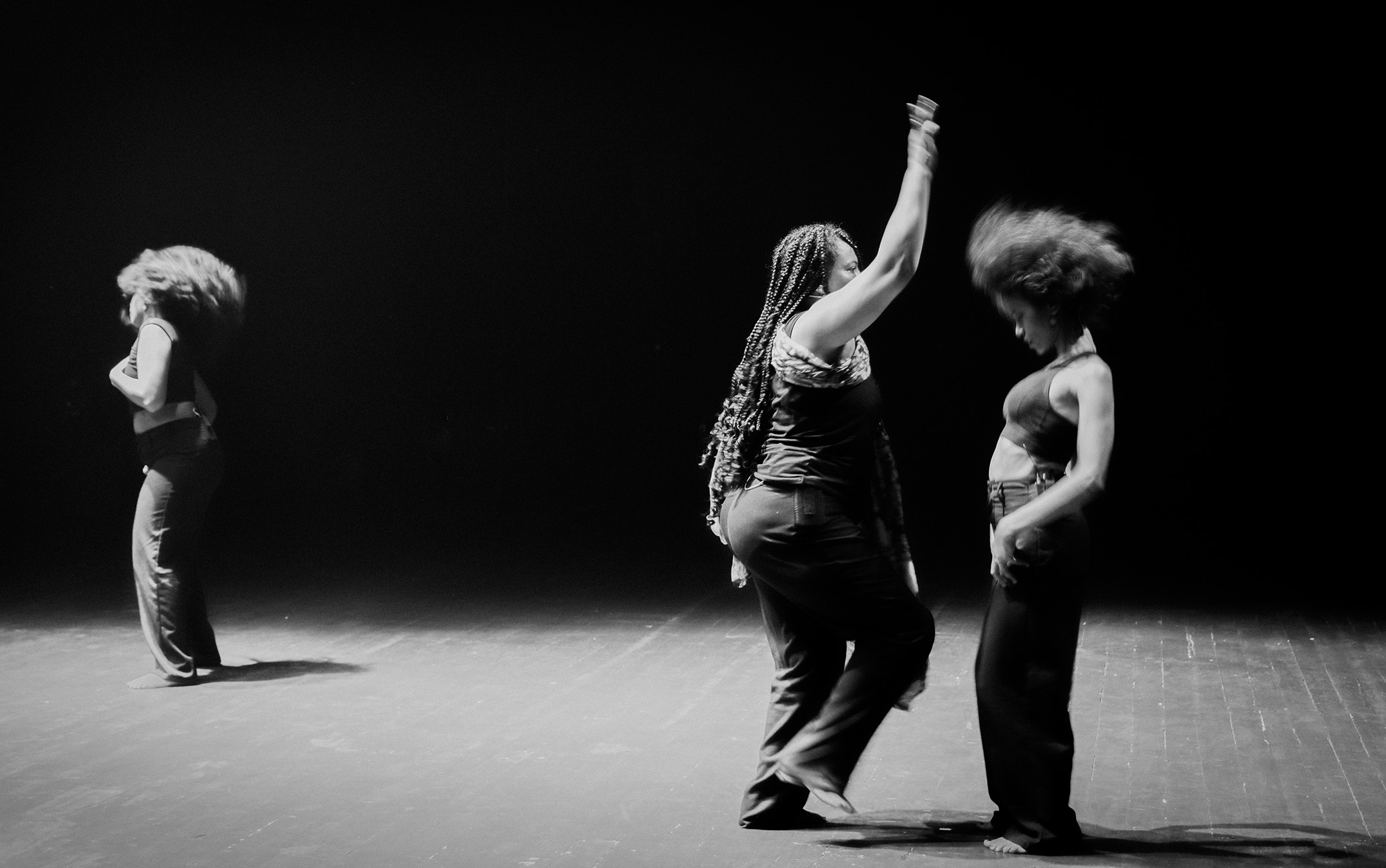
The latest stage piece by Lebanese choreographer Ali Chahrour is, on the one hand, a shocking testimony to systemic violence, and, on the other, a manifesto of female resilience. After its world premiere in Beirut, it celebrated its European premiere at Berlin's HAU in early June. The performers Rania Jamal, Zena Moussa, and Tenei Ahmad share their stories — experiences of migrant workers that are often "swept under the rug" in Lebanon, as Chahrour says. The kafala system, a form of institutionalized exploitation, disenfranchises migrant domestic workers from African and Asian countries, plunging many women into a hell of violence, isolation, and invisibility. In the midst of the war in the Middle East, they were left defenseless in their homes by their employers; many fled to the beach ...
Reviews
Zurich,
on tour
Ali Chahrour
When I Saw the Sea
Continue reading with the DIGITAL MONTHLY SUBSCRIPTION to tanz – international edition

- Access all articles of tanz – international edition instantly online
- Optimized reading experience on all devices
- Full access to the complete online archive