
July 18th, 1610 is one of those scorching hot days when the air over the Mediterranean seems stagnant. No shade protects the figure crouching in the sand on the beach of Porto Ercole. The man is ragged, starving, and dehydrated; the wind of death has almost blown him over the threshold into the afterlife. A few hours remain, perhaps only minutes, to look back on the life he is about to leave. A wild, impetuous existence, stretched and overexcited, full of madcap encounters, longing, and untamed passion: a sinfully homosexual existence by the official standards of the Church which, of course, the clergy themselves do not adhere to. It was not for nothing that the dying man repeatedly found refuge in the bosom of the Sancta Ecclesia, supplied wealthy patrons, patricians, and priests with the ...
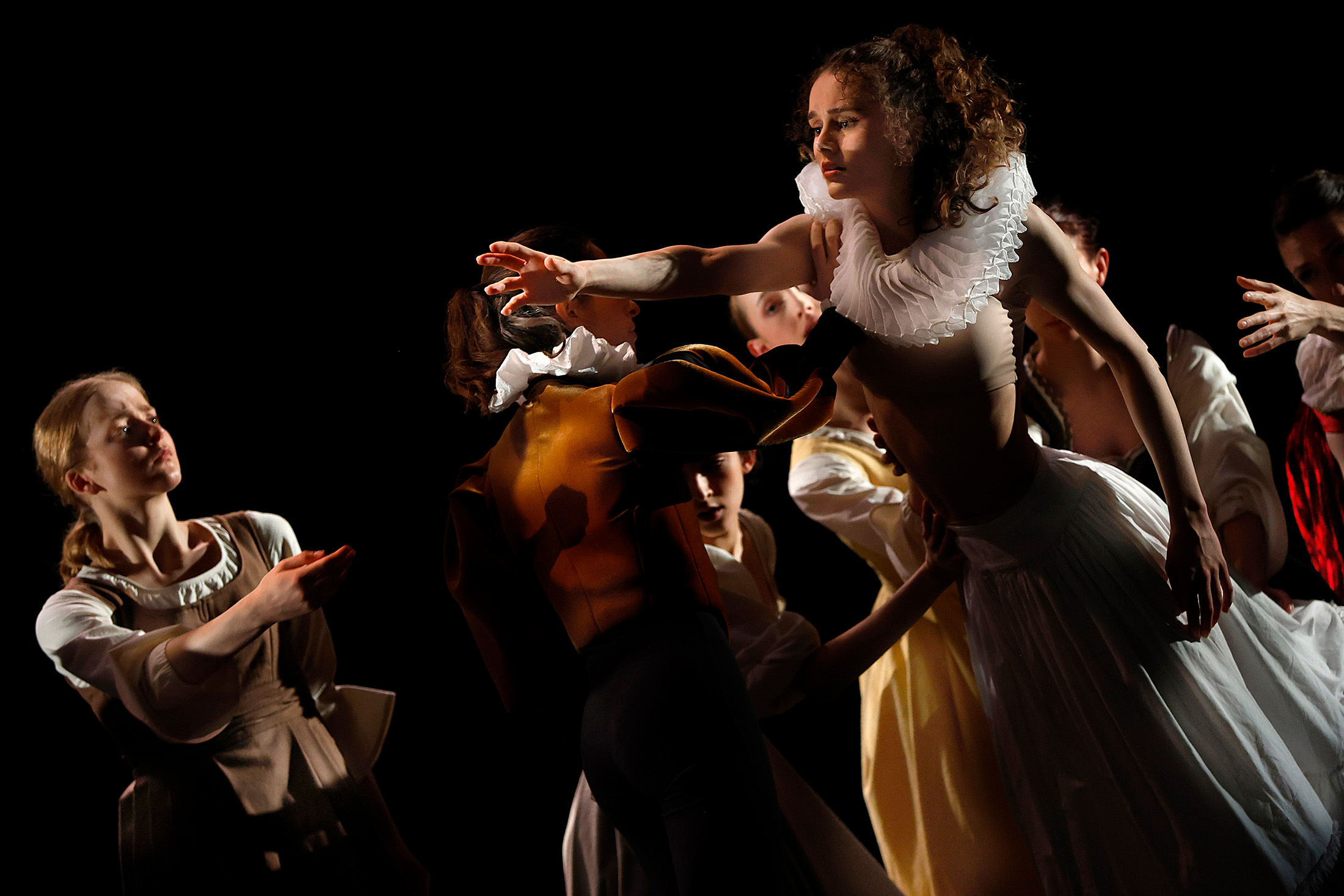
Close-Up
Feverish Delirium
Ecstasy, Revenge, and Rave: Bruno Bouché and the Chemnitz Ballet bring Caravaggio oder Die Stille unseres Herzschlages to life
Continue reading with the DIGITAL MONTHLY SUBSCRIPTION to tanz – international edition

- Access all articles of tanz – international edition instantly online
- Optimized reading experience on all devices
- Full access to the complete online archive