In Motion
Spatial Rhythms
Timo Herbst’s exhibition Exquisite Body
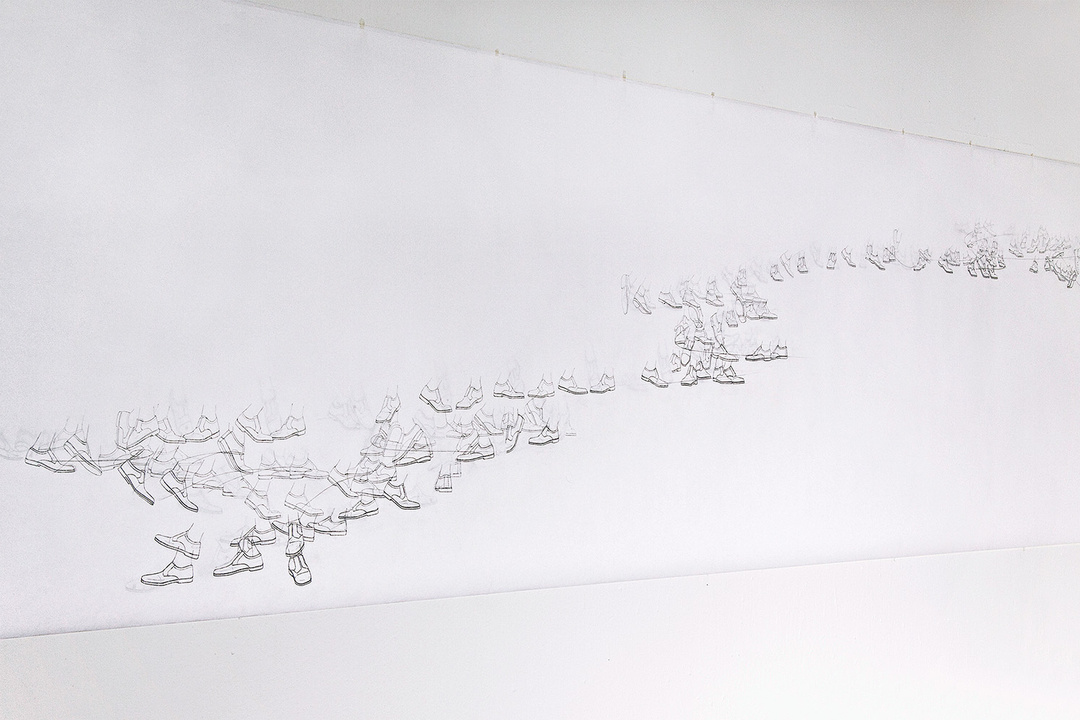
Timo Herbst is no stranger to movement. In his interdisciplinary works, ranging from drawings and multimedia installations to 3D-printed objects and performance lectures, the Flensburg-born artist spills over from the mundane everyday into the political and back. Choreographies of people and cars on the streets, the hands of conductors, the bodies of dancers, or the traces of public resistance morph and transform in his work. After studying Philosophy and Cultural Studies and graduating from the Hochschule für Künste in Bremen and the Hochschule für Grafik und Buchkunst in Leipzig, Herbst was a fellow, among others, at the Goethe Institut Villa Kamogawa in Kyoto and the Cité Internationale des Arts in Paris. It is again in Paris, now one of the two cities he resides in, along with Berlin, where his solo exhibition Exquisite Body opens on the 18th of March in the Goethe Institute. The exhibition comprises previous works on the movement of people in public spaces. It invites visitors to contemplate the roles of bodies in our contemporary perception, communication, and being with one another.
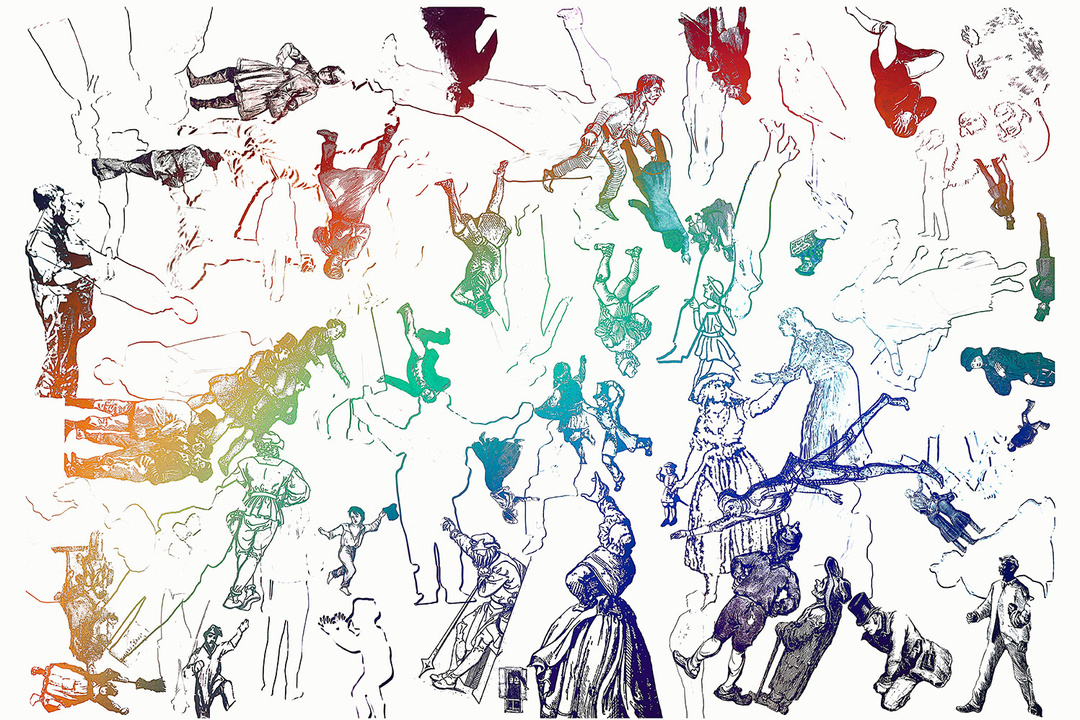
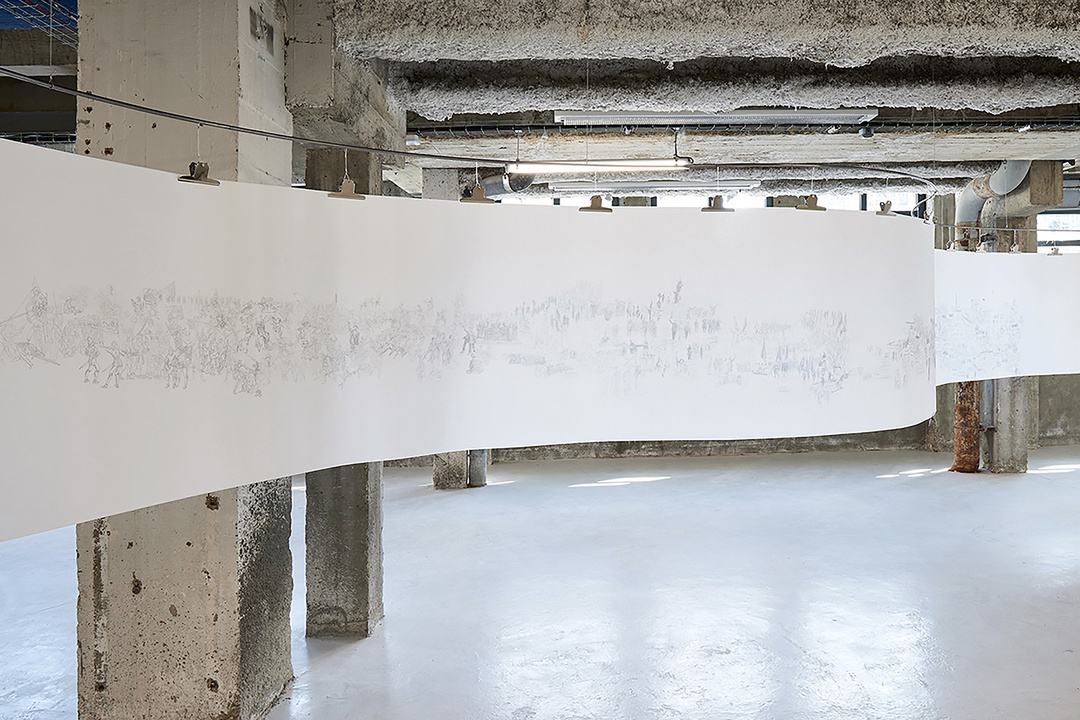
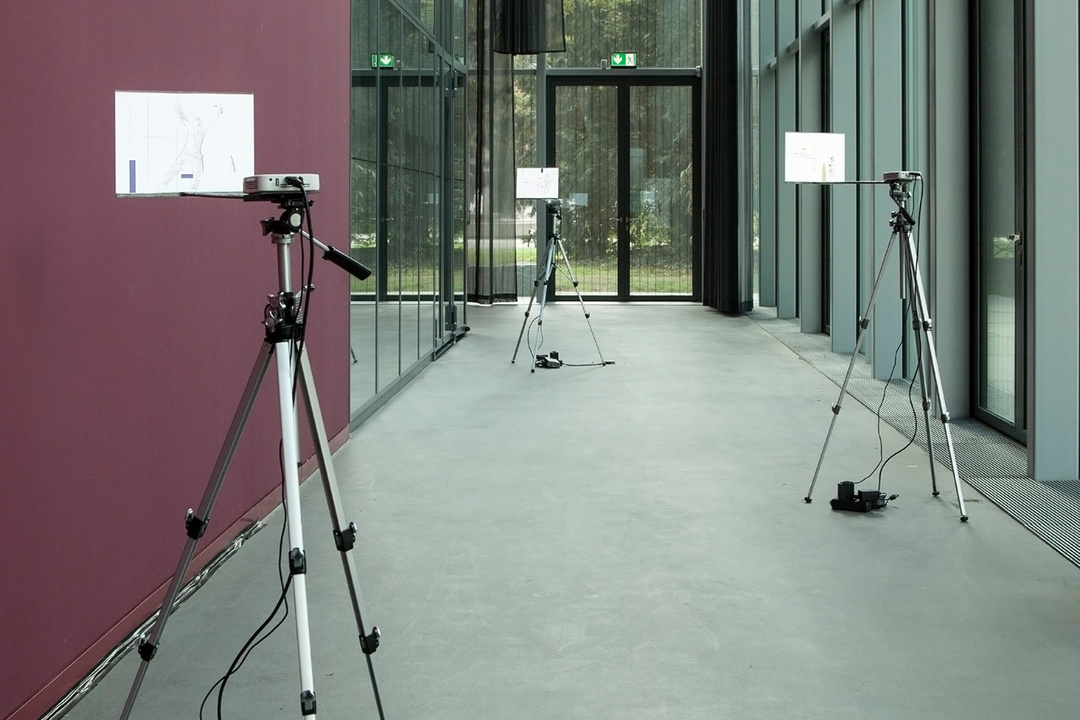
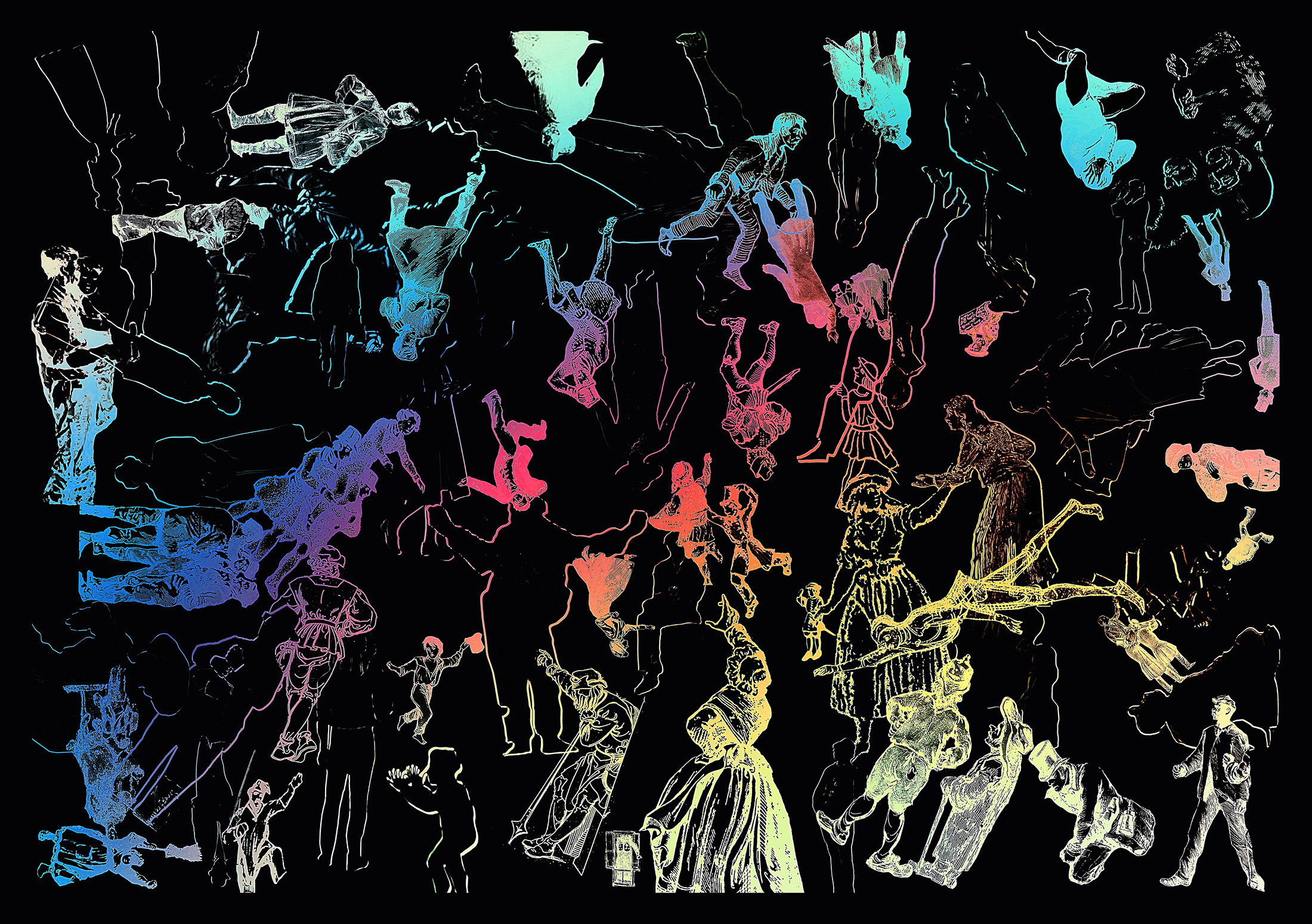
His long years of artistic research on those topics are clearly recognizable in his body of work. For his more well known works Ephemera, the artist researched archival images of protests and states of emergency published in daily newspapers, posters, and advertisements, followed by the creation of a ten-meter-long pencil drawing on Japanese paper. It depicts protesting people from different times, who form a chronological chain of gestures of resistance, encapsulating and simultaneously reenacting collective memories from German-speaking countries spanning from the 15th century until today. Herbst playfully intertwines different meanings of what movement is and the levels on which it is taking place—from the protest gestures, through the movement as a social and political category, to the real and physical movement required to experience the work in its entirety. Yet collective movements don’t have to be historical or distant; they surround us in different public spaces that bring their own rhythms into the very real time we share. In Rhythmusanalysis, Herbst makes us once again aware of those public threads. The title is borrowed from a collection of essays by the French sociologist and urbanist philosopher Henri Lefebvre, in which he outlines a method for analyzing the rhythms of public spaces, proposing means for thinking of time and space in the fabric of everyday life. For this multimedia work, Herbst positions cameras in public spaces that run their live feed through a computer program, erasing every architectonic aspect of the place and turning moving objects—be it cars or people into black lines. As a projection canvas, the artist uses pencil drawing on white paper. In his prints Aux Folies, architectural and everyday fragments are arranged in ways creating dynamic canvases full of intertwining and flowing lines, presenting the otherwise inert objects of inspiration in an act of movement of colors and at times, juxtapositions.
Exquisite Body, Goethe-Institut Paris, until 25 May; www.timoherbst.org