Content

Reviews

Dresden

Jörn-Felix Alt, Sebastian Weber Die Sieben Todsünden 100 Leidenschaften 

by Rico Stehfest

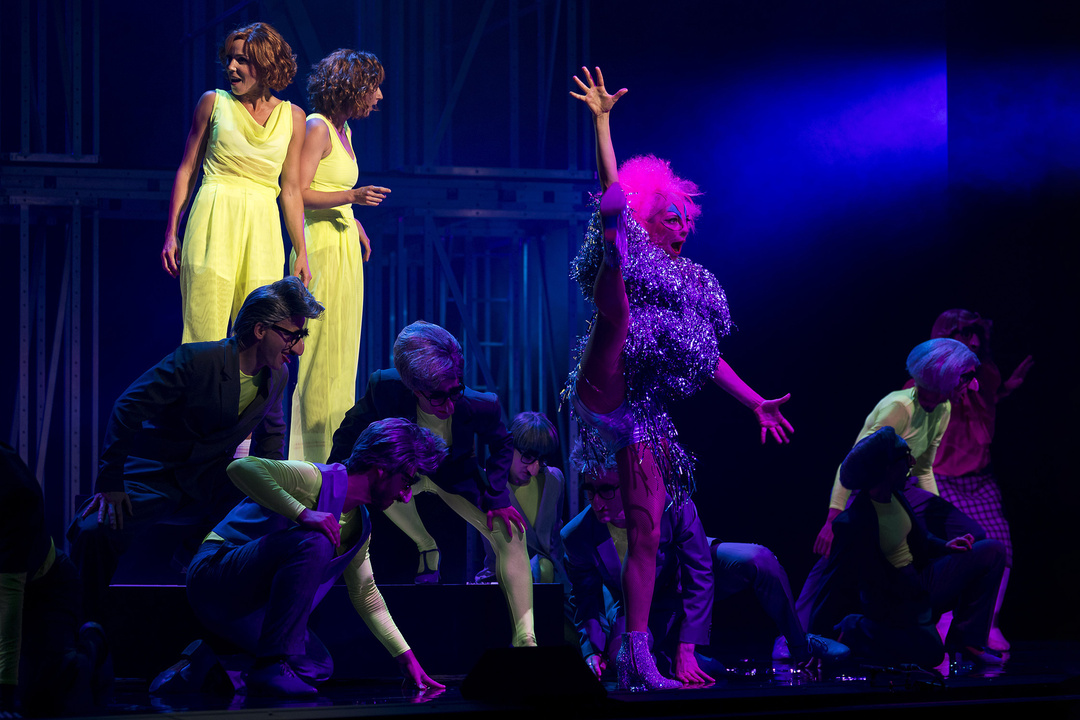
In principle, Sebastian Weber really has an easy job here. As the second part of the double evening Die Sieben Todsünden/100 Leidenschaften at the Dresden Staatsoperette, the man from Leipzig and his tap dance company can use Jörn-Felix Alt's thoroughly botched production of Brecht's Deadly Sins as a wonderful springboard. Because in the break before Weber's 100 Leidenschaften one thing seems clear: It can only get better. And it will.

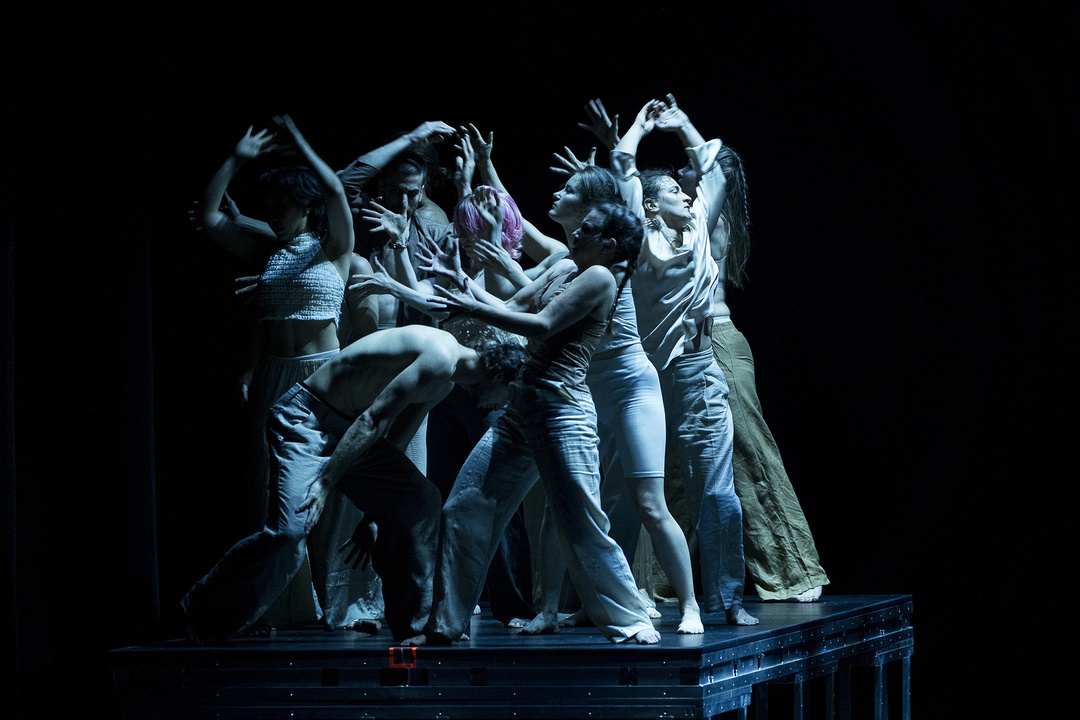
While Brecht is being presented in quite an anaemic and uninspired fashion, Weber's choreography is genuinely passionate. Basically, his abstract work makes fun of the sluggish style in which operettas are still sometimes choreographed today. Selling this as a tap dance performance, however, undermines the complexity of the artistic approach: Weber delivers a convincing, sensitive kaleidoscope of real emotions which in its immediacy and emotional intensity outshines the whole Brecht thing. Based on a design by Alexandre Corazzola, the stage features a kind of flat, elongated platform that can be used in a variety of ways depending on its positioning on the revolving stage. Between dystopia and good-mood mode, between sad introspection and complete relaxation, he lets his tap dancers work the floor properly and uses another extremely clever trick:
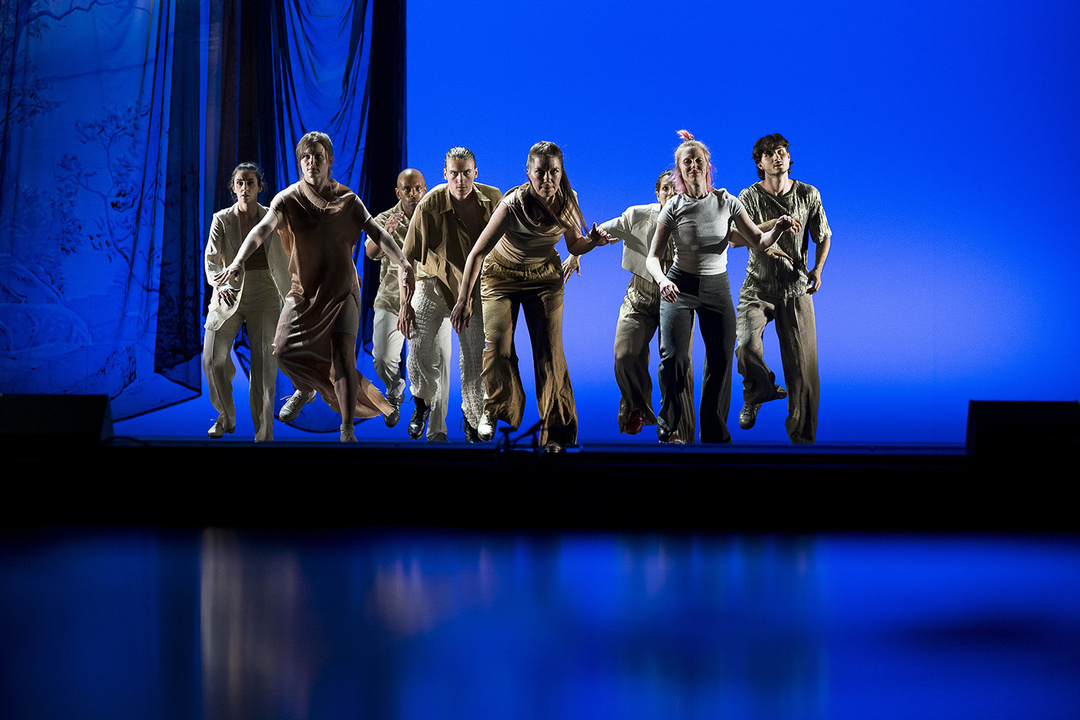
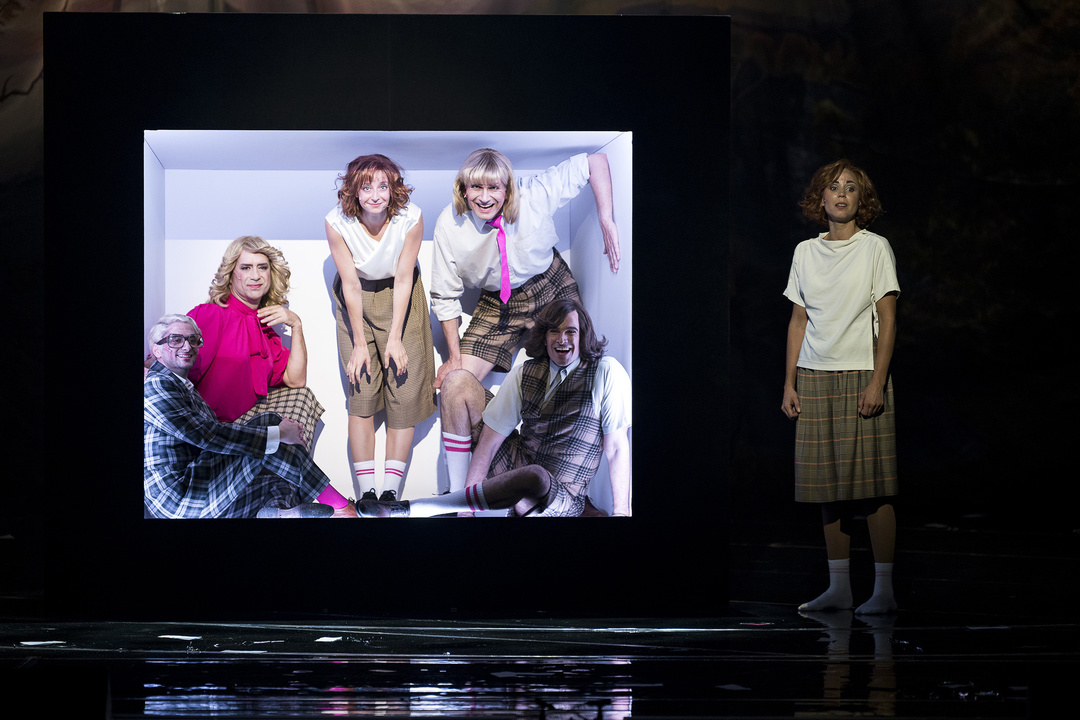
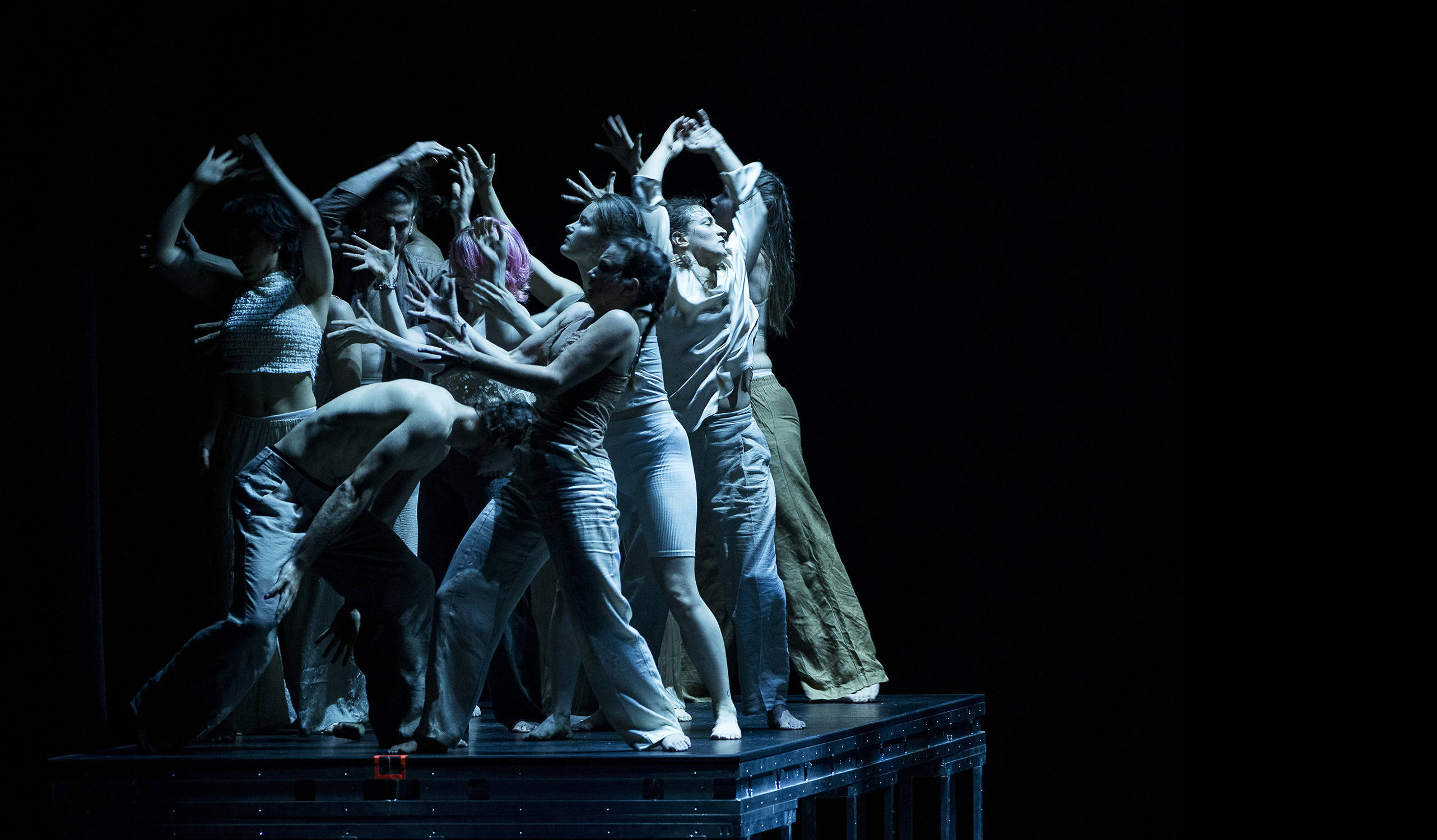
He mixes his ensemble with performers from the independent scene who have nothing to do with tap dancing. This creates an organic unity that is actually surprising in the variety of expressive possibilities, allowing for significantly more nuances than tap dancing alone could. In addition, it doesn’t shy away from the grand gesture of expressive dance. This offers opportunities for individual expression in sensitive solos as well as in group pictures that evoke the eternal theme of the relationship of the individual to the community and the freedoms and limitations associated with this.

And it works brilliantly, not least due to the fact that Konrad Koselleck has created a soundscape for these passions that is almost cinematic, drawing lightly from all imaginable moods and sources. The Staatsoperette orchestra is audibly delighted with it. It remains unclear, however, why Weber opens his piece by having Vilma Kananen sit at the edge of the stage with a bag of chips, only to then have her stand in the middle of the other dancers as if in a dream. But in the end it doesn't matter at all. Passions are not necessarily associated with causality or immanent logic.

Again on 13, 14, 25 February;
www.staatsoperette.de